Common Snake Plant Problems and Solutions
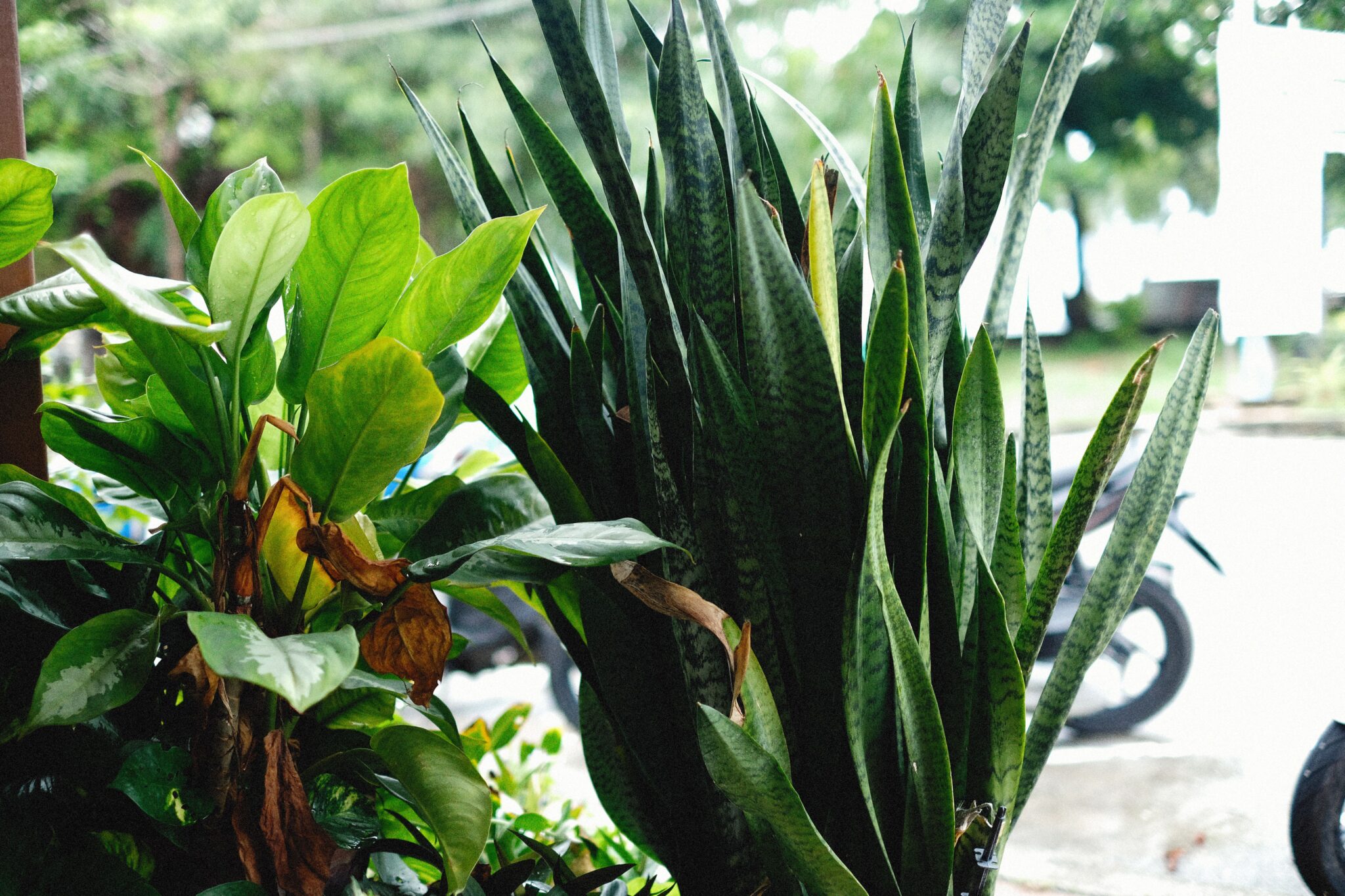
Common Snake Plant Problems and Solutions (Complete Troubleshooting Guide) Focus Keyword: Common Snake Plant Problems and SolutionsSEO Title: Common Snake Plant Problems and Solutions (Complete Guide 2026)Meta Description: Learn how to identify and fix common snake plant problems, including yellow leaves, root rot, brown tips, pests, drooping leaves, and slow growth. Common Snake Plant Problems and Solutions Snake plants (Dracaena trifasciata), formerly known as Sansevieria, are one of the easiest indoor plants to grow. They can survive neglect, low light, and irregular watering. However, like all plants, snake plants can still experience problems when their growing conditions are not ideal. Most snake plant issues are caused by watering mistakes, poor drainage, incorrect lighting, pests, or unsuitable soil. The good news is that most problems can be fixed with simple adjustments. In this guide, we will cover the most common snake plant problems and solutions to help you keep your plant healthy and thriving. 1. Snake Plant Leaves Turning Yellow Yellow leaves are one of the most common problems snake plant owners notice. Causes: Overwatering The most common reason for yellow leaves is too much water. Snake plants store moisture in their leaves and do not need frequent watering. Poor Drainage Water trapped around roots can cause stress and root damage. Low Light Very dark conditions can slow plant processes and contribute to leaf discoloration. Solution: ✅ Allow soil to dry completely before watering✅ Use a fast-draining soil mix✅ Move the plant to bright indirect light✅ Remove severely damaged leaves Related guide:https://allsnakeplante.com/why-are-my-snake-plant-leaves-turning-yellow/ 2. Snake Plant Root Rot Root rot is a serious but common problem caused by excess moisture. Symptoms: Causes: Solution: More information:https://allsnakeplante.com/how-to-fix-snake-plant-root-rot/ 3. Snake Plant Leaves Turning Brown Brown leaves usually indicate stress. Common Causes: Underwatering Although snake plants tolerate drought, extreme dryness can cause brown tips. Too Much Direct Sun Strong sunlight can burn leaves. Low Humidity or Dry Air Very dry conditions may affect leaf tips. Fertilizer Burn Too much fertilizer can damage roots. Solution: 4. Snake Plant Leaves Drooping Healthy snake plant leaves should stand upright. Drooping leaves usually indicate a problem with roots or watering. Causes: Solution: 5. Snake Plant Leaves Curling Curling leaves are a sign that your plant is under stress. Possible Causes: Lack of Water Dry soil can cause leaves to curl inward. Too Much Heat Hot areas near heaters or direct sun can stress leaves. Root Problems Damaged roots cannot absorb enough water. Solution: 6. Snake Plant Not Growing Snake plants naturally grow slowly, but extremely slow growth may indicate poor conditions. Causes: Solution: Provide: ✅ Bright indirect light✅ Proper soil✅ Occasional fertilizer during growing season✅ Suitable temperature Remember that snake plants are naturally slow growers, so patience is important. 7. Snake Plant Leaves Falling Over Leaves falling over often indicate root problems. Causes: Solution: Check the roots and improve drainage. If the leaf is healthy but detached, it can sometimes be used for propagation. Learn more:https://allsnakeplante.com/how-to-propagate-a-snake-plant-in-soil/ 8. Snake Plant Has Soft Leaves Snake plant leaves should feel firm and strong. Soft leaves usually indicate excess moisture. Causes: Solution: 9. Snake Plant Has Brown Leaf Tips Brown tips are common and usually not dangerous. Causes: Solution: 10. Snake Plant Pests Although snake plants are resistant, they can sometimes attract pests. Common pests include: Signs of Pests: Solution: 11. Snake Plant Leaves Losing Color If your snake plant loses its vibrant color, lighting may be the reason. Causes: Solution: Place the plant in bright indirect light and avoid extreme conditions. 12. Snake Plant Soil Staying Wet Too Long Healthy snake plant soil should dry between watering. Causes: Solution: Use a soil mix containing: More information:https://allsnakeplante.com/best-soil-mix-for-snake-plants/ Snake Plant Problem Prevention Tips Follow these simple habits: ✅ Water only when soil is dry✅ Use pots with drainage holes✅ Provide bright indirect light✅ Avoid heavy soil✅ Do not overfertilize✅ Inspect leaves regularly✅ Clean leaves occasionally✅ Repot when root-bound Quick Snake Plant Problem Chart Problem Main Cause Solution Yellow leaves Overwatering Reduce watering Soft leaves Root rot Check roots Brown tips Dryness/fertilizer Adjust care Drooping leaves Root problems Improve drainage Slow growth Low light Increase light Leaf curling Water stress Check moisture Pests Insects Treat infestation Wet soil Poor drainage Change soil Frequently Asked Questions Why is my snake plant dying? The most common causes are overwatering, poor drainage, and insufficient light. How often should I water a snake plant? Most indoor snake plants need watering every 2–4 weeks depending on conditions. Can a damaged snake plant recover? Yes. Snake plants are very resilient and often recover after correcting the problem. Should I remove damaged leaves? Yes. Remove completely damaged leaves using clean scissors. What is the biggest mistake with snake plants? Overwatering is the most common mistake among beginners. Final Thoughts Understanding common snake plant problems and solutions makes caring for your plant much easier. Most issues can be prevented by remembering three simple rules: Snake plants are naturally tough and forgiving. With the right care routine, your plant can remain healthy, attractive, and strong for many years. Internal Links External Resources Suggested URL Slug Image ALT Text Ideas SEO Keywords
