How to Propagate a Snake Plant in Soil (Step-by-Step Beginner Guide)
Focus Keyword: How to Propagate a Snake Plant in Soil
SEO Title: How to Propagate a Snake Plant in Soil (Complete Guide 2026)
Meta Description: Learn how to propagate a snake plant in soil step by step. Discover leaf cutting methods, soil mix, rooting time, care tips, and common mistakes to avoid.
How to Propagate a Snake Plant in Soil
Snake plants (Dracaena trifasciata), formerly known as Sansevieria, are one of the easiest houseplants to multiply. Propagating a snake plant in soil is a simple and natural method that allows new roots to develop directly in their growing environment.
Unlike water propagation, soil propagation allows the cutting to adapt immediately to its final growing medium. With a healthy leaf, proper soil mix, and patience, you can grow multiple new snake plants from one parent plant.
In this complete guide, you will learn how to propagate a snake plant in soil step by step, the best soil mixture, how long it takes, and how to avoid common propagation problems.
Can You Propagate a Snake Plant in Soil?
Yes, snake plants can easily be propagated using soil.
The two most common methods are:
- Leaf cutting propagation
- Division propagation
Leaf cuttings are popular because they require only one healthy leaf, while division is faster because the new plant already has roots.
Best Time to Propagate Snake Plants
The ideal time for propagation is:
- Spring
- Early summer
During this period, snake plants enter their active growth phase and produce roots more quickly.
Propagation can still work year-round if the plant receives:
- Warm temperatures
- Bright indirect light
- Proper watering
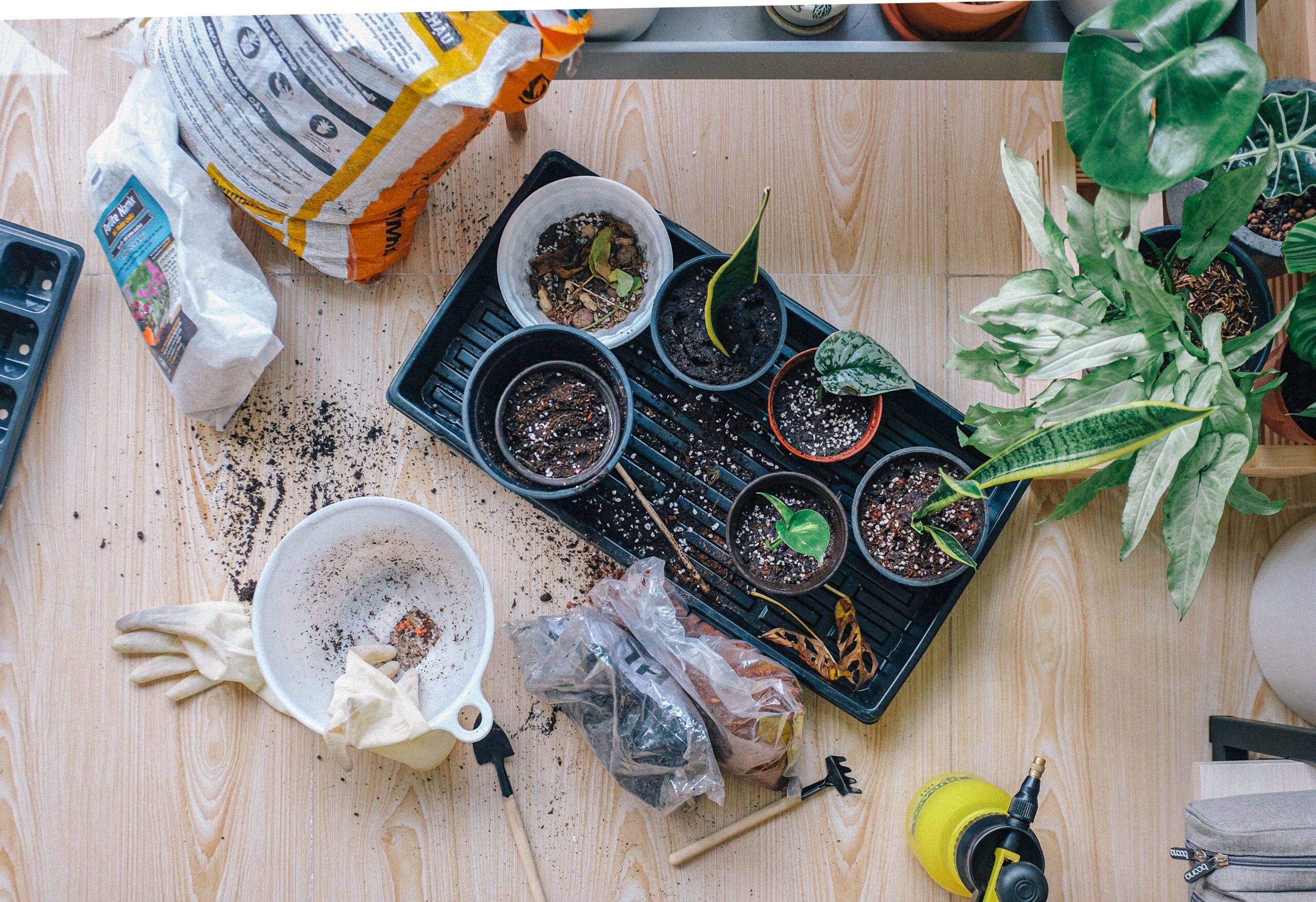
Supplies You Need
Before starting, collect:
- Healthy snake plant leaf
- Clean scissors or knife
- Small pot with drainage holes
- Well-draining soil mix
- Water spray bottle
- Gardening gloves
Using clean tools helps prevent infections and leaf rot.
Best Soil Mix for Snake Plant Propagation
The right soil is essential because young cuttings are sensitive to excess moisture.
A good propagation mix should be:
- Light
- Airy
- Fast draining
DIY Soil Recipe:
- 2 parts cactus or succulent soil
- 1 part perlite
- 1 part coarse sand or pumice
This mixture allows new roots to grow while preventing water buildup.
For more information, read our guide:
Internal Link:
https://allsnakeplante.com/best-soil-mix-for-snake-plants/
Step-by-Step: Propagating Snake Plant in Soil
Step 1: Select a Healthy Leaf
Choose a mature leaf from a healthy snake plant.
The leaf should be:
- Firm
- Green
- Free from pests
- Free from disease
Avoid damaged or yellow leaves because they may fail to root.
Step 2: Cut the Leaf
Use a clean knife or scissors.
Cut the leaf near the base of the plant.
You can use:
- One large cutting
- Multiple smaller sections
For smaller sections:
Cut the leaf into pieces about:
2–4 inches long
Step 3: Mark the Cutting Direction
This step is very important.
The bottom part of the leaf must go into the soil.
Before cutting into sections, mark the bottom side with a small pencil mark.
If planted upside down, the cutting may not grow roots.
Step 4: Allow Cuttings to Dry
Place the cuttings in a dry area for:
24–48 hours
This allows the cut end to form a protective layer called a callus.
A callus reduces the chance of rotting after planting.
Step 5: Plant the Cutting in Soil
Fill a small pot with your prepared soil mix.
Insert the bottom end of the cutting about:
1 inch deep
Keep the cutting upright.
Do not bury too much of the leaf because excess moisture can cause rot.
Step 6: Provide Proper Light
Place the pot in:
- Bright indirect light
- Warm indoor location
Avoid direct afternoon sunlight because new cuttings are more sensitive.
Step 7: Water Carefully
Do not keep the soil constantly wet.
Water lightly when the top layer of soil becomes dry.
Overwatering is the biggest reason snake plant cuttings fail.
How Long Does Snake Plant Propagation Take in Soil?
Snake plants are slow growers.
Root development usually takes:
4–10 weeks
New shoots may appear after:
2–6 months
The exact time depends on:
- Temperature
- Light
- Cutting health
- Soil quality
Patience is important when propagating snake plants.
Signs Your Cutting Is Growing Successfully
Healthy signs include:
- Cutting remains firm
- New roots develop
- Small baby leaves appear
- New growth emerges from the soil
Avoid disturbing the cutting frequently because new roots are delicate.
Common Problems When Propagating Snake Plants in Soil
Cutting Becomes Soft or Mushy
Cause:
- Too much water
- Poor drainage
- Cutting planted before drying
Solution:
Remove the damaged part and restart with a healthy cutting.
Cutting Turns Yellow
Possible causes:
- Too much sunlight
- Overwatering
- Weak cutting
Move the plant to bright indirect light and reduce watering.
No Growth After Several Months
This does not always mean failure.
Snake plants naturally grow slowly.
Check:
- Is the soil draining well?
- Is the plant receiving enough light?
- Is the temperature warm?
Give the cutting more time.
Leaf Cutting vs Division Method
Leaf Cutting
Advantages:
- Easy
- Requires only one leaf
- Creates multiple plants
Disadvantages:
- Slow
- Some varieties may lose patterns
Division Method
Advantages:
- Faster results
- New plants already have roots
- Keeps the original appearance
Disadvantages:
- Requires a mature plant
For variegated snake plants, division is usually better because it preserves the leaf pattern.
Caring for New Snake Plant Babies
Once your cutting develops roots:
Light
Keep it in bright indirect light.
Water
Allow soil to dry between watering.
Fertilizer
Wait until the plant is established before feeding.
Repotting
Move to a larger pot when roots fill the container.
Frequently Asked Questions
How long does it take to propagate a snake plant in soil?
Most cuttings root within 4–10 weeks, but new growth can take several months.
Can I propagate a snake plant from one leaf?
Yes. A healthy leaf can produce a new plant when placed in suitable soil.
Do snake plant cuttings need sunlight?
Yes, but they prefer bright indirect light rather than strong direct sunlight.
How often should I water snake plant cuttings?
Water only when the soil starts drying. Avoid keeping the soil wet.
Why is my snake plant cutting not growing?
Snake plants grow slowly. Poor light, cold temperatures, or overwatering can delay growth.
Final Thoughts
Learning how to propagate a snake plant in soil is an easy and rewarding way to expand your indoor plant collection. With a healthy cutting, fast-draining soil, proper lighting, and careful watering, you can successfully grow new snake plants at home.
Remember that snake plants are naturally slow growers, so patience is the key. Avoid overwatering, provide the right environment, and your small cutting will eventually develop into a beautiful mature plant.
Internal Links
- https://allsnakeplante.com/complete-snake-plant-care-guide-for-beginners/
- https://allsnakeplante.com/best-soil-mix-for-snake-plants/
- https://allsnakeplante.com/how-often-to-water-a-snake-plant/
- https://allsnakeplante.com/snake-plant-light-requirements/
- https://allsnakeplante.com/how-to-repot-a-snake-plant-step-by-step/
External Resources
Suggested URL Slug
Image ALT Text Ideas
- How to Propagate a Snake Plant in Soil
- Snake Plant Leaf Cutting Planted in Soil
- Snake Plant Propagation Step by Step
- New Snake Plant Growing from Leaf Cutting
- DIY Snake Plant Propagation Guide
- Healthy Snake Plant Baby Plant
SEO Keywords
- How to Propagate a Snake Plant in Soil
- Snake Plant Soil Propagation
- Snake Plant Leaf Cutting
- Grow Snake Plant from Leaf
- Snake Plant Propagation Guide
- Sansevieria Propagation
- Indoor Plant Propagation
- Beginner Snake Plant Care
- Grow New Snake Plants
- Snake Plant Cutting Method