

The snake plant (Dracaena trifasciata), formerly known as Sansevieria, is one of the most popular indoor plants in the world. Besides its elegant appearance and low-maintenance nature, it is often praised for its air-purifying abilities.
Many homeowners choose snake plants because they are believed to improve indoor air quality by filtering certain airborne pollutants. While scientific studies support some of these benefits, it’s important to understand what a snake plant can and cannot do in a typical home.
In this guide, you’ll learn about the air purifying benefits of snake plants, the science behind their reputation, and how to get the most from this popular houseplant.
Do Snake Plants Really Purify the Air?
Yes—but with an important clarification.
Research has shown that snake plants can absorb certain airborne chemicals under controlled laboratory conditions. Like many plants, they also take in carbon dioxide and release oxygen through photosynthesis.
However, in a normal home, a single snake plant will not dramatically clean the air. The air-cleaning effect exists, but it is modest compared to ventilation and air filtration systems.
Still, snake plants can contribute to a healthier indoor environment and are an excellent addition to homes and offices.
1. Helps Remove Certain Indoor Air Pollutants
One of the biggest reasons snake plants became famous is their ability to absorb small amounts of certain airborne volatile organic compounds (VOCs).
These pollutants may be released from:
- Paint
- Furniture
- Carpets
- Cleaning products
- Adhesives
- Some building materials
Laboratory studies have found that houseplants, including snake plants, can absorb small amounts of these compounds through their leaves and root systems.
2. Produces Oxygen
Like all green plants, snake plants produce oxygen through photosynthesis.
A unique feature of snake plants is that they use a process called Crassulacean Acid Metabolism (CAM).
This adaptation allows the plant to open its pores mainly at night to reduce water loss while continuing its normal gas exchange processes.
Because of this characteristic, many people like placing snake plants in bedrooms. However, the amount of oxygen produced by one houseplant is relatively small and should not be expected to noticeably change indoor oxygen levels.
3. Supports Better Indoor Environments
Although a snake plant is not a replacement for good ventilation, it can help create a more pleasant indoor space.
Indoor plants may contribute to:
- A greener living environment
- Improved room appearance
- A relaxing atmosphere
- Increased connection with nature
These benefits make snake plants a favorite for homes, offices, and apartments.
4. Low-Maintenance Air-Purifying Plant
One major advantage of snake plants is that they require very little care compared to many other houseplants.
They tolerate:
- Low light
- Bright indirect light
- Occasional missed watering
- Dry indoor air
Because they are easy to maintain, they are a practical choice for beginners looking to add greenery indoors.
Related guide:
5. Suitable for Bedrooms and Offices
Snake plants fit well in indoor spaces because they:
- Grow upright
- Take up little floor space
- Thrive in containers
- Require infrequent watering
Popular locations include:
- Bedrooms
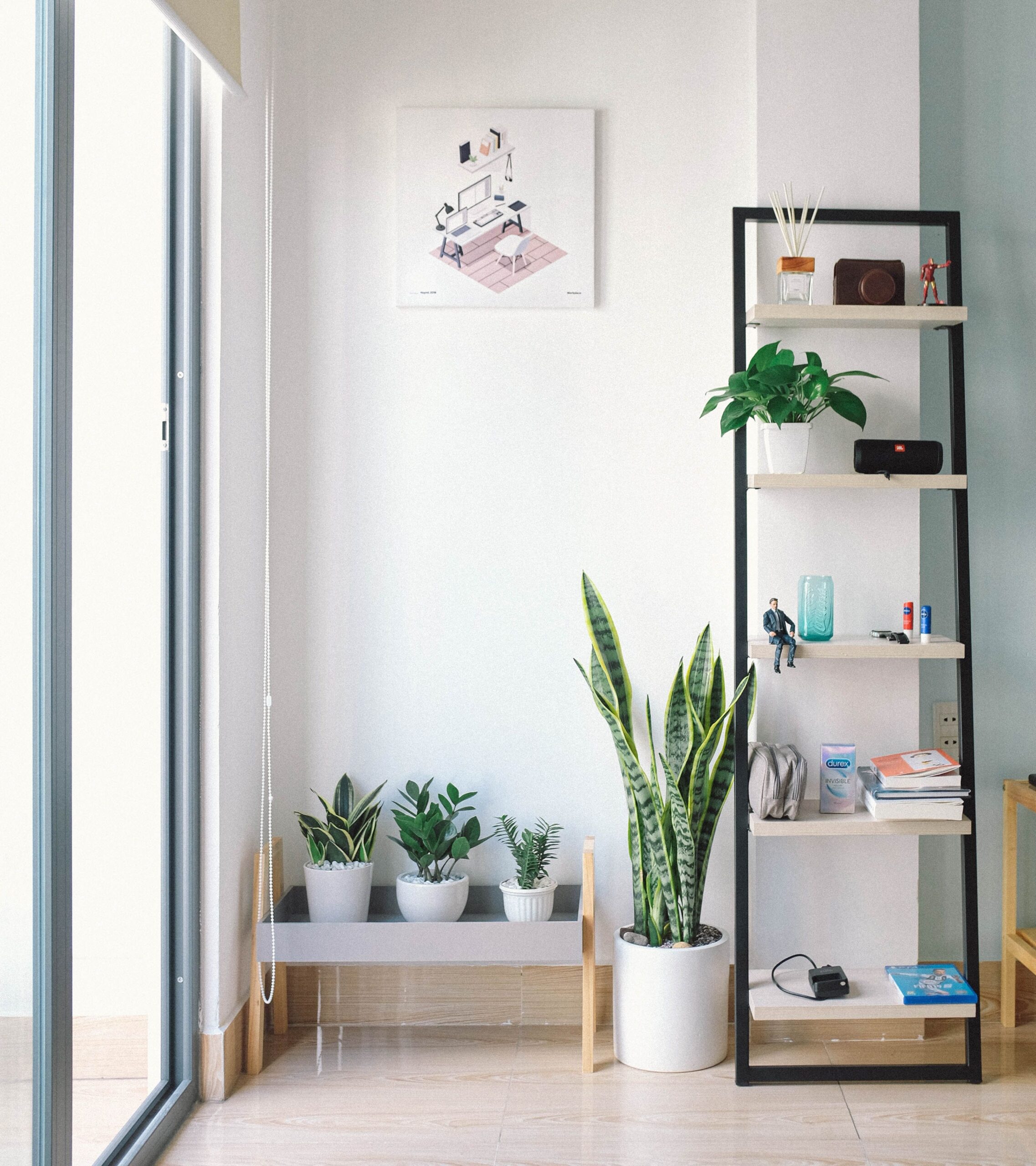
- Living rooms
- Home offices
- Reception areas
- Study rooms
Choose a location with bright, indirect light for the best growth.
Related guide:
https://allsnakeplante.com/snake-plant-light-requirements
6. Helps Increase Indoor Greenery
Adding indoor plants can make a room feel more welcoming and comfortable.
Snake plants are especially useful because they:
- Stay attractive year-round
- Have architectural leaves
- Blend with modern décor
- Require minimal maintenance
They are an excellent choice for homes with limited space.
What Pollutants Can Snake Plants Absorb?
Laboratory studies have investigated houseplants for their ability to absorb small amounts of certain volatile organic compounds (VOCs), including:
- Formaldehyde
- Benzene
- Xylene
- Toluene
- Trichloroethylene
In real-world homes, the effect is much smaller than in laboratory settings, so good ventilation remains the most effective way to improve indoor air quality.
How Many Snake Plants Do You Need?
There is no exact number that guarantees cleaner air.
For decorative purposes, many people keep:
- One plant in a bedroom
- One or two in a living room
- Several throughout the home
Adding more plants creates a greener environment, but do not rely on them alone for indoor air purification.
Best Care for Maximum Plant Health
A healthy plant performs better than a stressed one.
Water
Allow the soil to dry completely before watering.
Related guide:
Soil
Use a well-draining cactus or succulent mix.
Related guide:
Light
Provide bright, indirect sunlight whenever possible.
Fertilizer
Feed lightly during spring and summer.
Related guide:
Common Myths About Snake Plants
Myth 1: One Snake Plant Cleans an Entire House
Fact: A single plant has only a modest effect on indoor air quality. Proper ventilation and air filtration are much more effective.
Myth 2: Snake Plants Replace Air Purifiers

Fact: No. Mechanical air purifiers are designed to remove particles and pollutants much more efficiently.
Myth 3: Snake Plants Need Constant Sunlight
Fact: Snake plants tolerate low light but grow best in bright, indirect light.
Frequently Asked Questions
Do snake plants really purify indoor air?
Yes, they can absorb small amounts of certain airborne pollutants under laboratory conditions, but the effect in typical homes is modest.
Can I keep a snake plant in my bedroom?
Yes. Snake plants are commonly grown in bedrooms because they are compact, attractive, and easy to care for.
How many snake plants do I need?
There is no proven number for meaningful air purification in a home, but keeping several healthy plants can enhance your indoor space.
Is a snake plant better than an air purifier?
No. A dedicated air purifier is much more effective for improving indoor air quality. Snake plants are best viewed as a complementary addition.
Are snake plants good for beginners?
Yes. They are one of the easiest houseplants to grow because they tolerate a wide range of indoor conditions.
Final Thoughts
The air purifying benefits of snake plants have made them one of the most popular indoor plants worldwide. While scientific research suggests they can absorb small amounts of certain airborne compounds, their effect in a typical home is limited.
Snake plants should be appreciated not only for their potential air-quality benefits but also for their beauty, durability, and ease of care. Combined with good ventilation and regular home maintenance, they can be a valuable addition to a healthy indoor environment.
Internal Links
- https://allsnakeplante.com/complete-snake-plant-care-guide-for-beginners/
- https://allsnakeplante.com/how-often-to-water-a-snake-plant/
- https://allsnakeplante.com/best-soil-mix-for-snake-plants/
- https://allsnakeplante.com/snake-plant-light-requirements/
- https://allsnakeplante.com/best-fertilizer-for-snake-plants/
- https://allsnakeplante.com/common-snake-plant-problems-and-solutions/


2 Comments on “Snake Plant Air Purifying Benefits”