
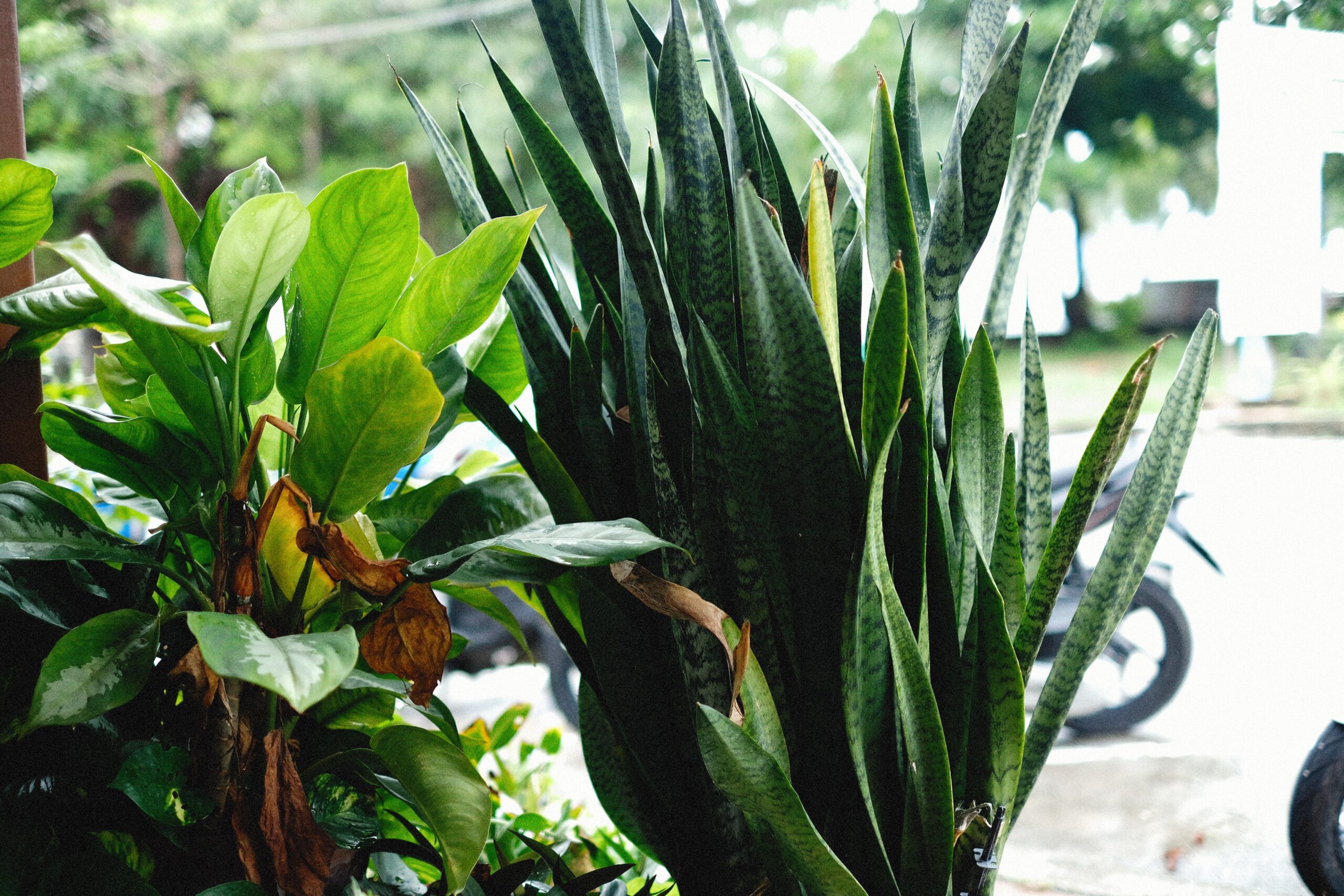
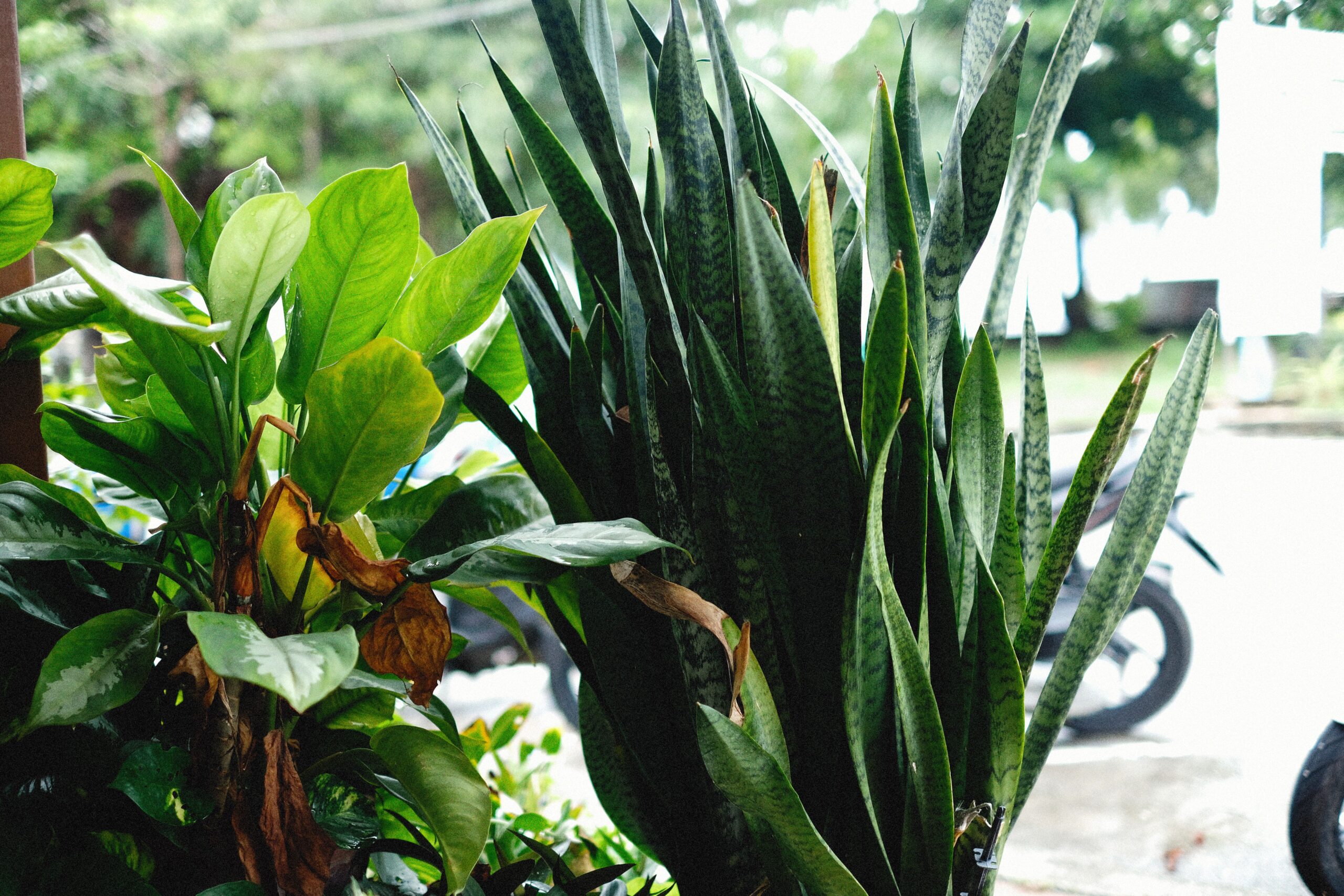
Best Fertilizer for Snake Plants (Complete Feeding Guide)
Focus Keyword: Best Fertilizer for Snake Plants
SEO Title: Best Fertilizer for Snake Plants: Feeding Guide for Healthy Growth (2026)
Meta Description: Discover the best fertilizer for snake plants, including NPK ratios, organic options, feeding schedules, and common fertilizing mistakes to keep your plant healthy.
Best Fertilizer for Snake Plants
Snake plants (Dracaena trifasciata), formerly known as Sansevieria, are famous for being low-maintenance houseplants. They can survive with minimal care, but using the best fertilizer for snake plants can encourage stronger leaves, healthier roots, and better growth.
Unlike fast-growing plants, snake plants do not need heavy feeding. Too much fertilizer can damage their roots and cause leaf problems. The key is choosing the right fertilizer and applying it at the correct time.
In this complete guide, you will learn about the best fertilizer types, ideal NPK ratios, when to fertilize, organic options, and mistakes to avoid.
Do Snake Plants Need Fertilizer?
Yes, snake plants benefit from fertilizer, but only in small amounts.
Fresh potting soil usually contains enough nutrients for several months. After that, nutrients slowly decrease, and fertilizer can help support new growth.
Fertilizer helps with:
- Stronger leaf development
- Healthier roots
- Improved plant color
- Better overall growth
- More new shoots
However, snake plants grow slowly, so excessive fertilizer is unnecessary.
Best NPK Ratio for Snake Plants
The NPK ratio represents:
- Nitrogen (N): Leaf and stem growth
- Phosphorus (P): Root and flower development
- Potassium (K): Overall plant health
The ideal fertilizer balance for snake plants is:
Balanced Fertilizer
10-10-10 NPK
or
20-20-20 NPK (diluted)
These provide equal amounts of essential nutrients without encouraging weak growth.
A slightly lower nitrogen fertilizer is also suitable, such as:
5-10-10 NPK
Best Types of Fertilizer for Snake Plants
1. Liquid Fertilizer (Best Overall Choice)
Liquid fertilizer is popular because it is easy to control.
Benefits:
- Easy to dilute
- Quick nutrient absorption
- Prevents overfeeding
- Good for indoor plants
Use a balanced liquid fertilizer diluted to half strength.
2. Slow-Release Fertilizer
Slow-release pellets gradually provide nutrients over time.
Advantages:
- Less frequent application
- Lower risk of overfertilizing
- Convenient for beginners
Apply according to the product instructions.
3. Organic Fertilizers
Organic options are gentle and improve soil quality.
Examples:
- Worm castings
- Compost tea
- Fish emulsion
- Seaweed extract
Organic fertilizers release nutrients slowly and are less likely to burn roots.
Best Time to Fertilize Snake Plants
The best time to fertilize is during the active growing season.
Spring
✅ Best time to start feeding
✅ Apply fertilizer every 6–8 weeks
Summer
✅ Continue light feeding
✅ Monitor plant growth
Autumn
Reduce feeding as growth slows.
Winter
Avoid fertilizing because snake plants enter a resting period.
How Often Should You Fertilize a Snake Plant?
For most indoor snake plants:
- Fertilize every 6–8 weeks during spring and summer
- Do not fertilize during winter
- Use half-strength fertilizer
Less is better with snake plants.
How to Apply Fertilizer Correctly
Follow these steps:
- Water the plant first if the soil is dry.
- Dilute liquid fertilizer according to instructions.
- Apply around the soil, not directly on leaves.
- Avoid fertilizer buildup.
- Stop feeding during inactive growth periods.
Never apply strong fertilizer to dry soil because it can damage roots.
Signs of Overfertilizing
Too much fertilizer can cause serious problems.
Common signs include:
- Brown leaf tips
- Yellow leaves
- White crust on soil surface
- Weak growth
- Root damage
Solution:
- Stop fertilizing temporarily.
- Flush the soil with clean water.
- Repot if fertilizer buildup is severe.
Signs Your Snake Plant Needs Fertilizer
A snake plant may need feeding if you notice:
- Very slow growth during growing season
- Pale green leaves
- Small new leaves
- Poor overall appearance
Remember that slow growth is normal for snake plants, so do not fertilize unnecessarily.
Can You Use Cactus Fertilizer for Snake Plants?
Yes. Cactus and succulent fertilizers are excellent choices because they are designed for plants that prefer dry conditions.
They usually provide balanced nutrients without excessive nitrogen.
Homemade Fertilizer Options
Some natural options include:
Compost Tea
Provides gentle nutrients and improves soil health.
Worm Castings
A slow-release organic fertilizer rich in nutrients.
Banana Peel Water
Contains potassium but should be used carefully because it does not provide a complete nutrient balance.
Commercial balanced fertilizers are usually more reliable.
Fertilizer Mistakes to Avoid
Avoid these common mistakes:
❌ Fertilizing too often
❌ Using strong fertilizer concentrations
❌ Feeding during winter
❌ Applying fertilizer to dry soil
❌ Using only high-nitrogen fertilizer
❌ Fertilizing a sick or root-rotted plant
A healthy root system should always come before feeding.
Fertilizing After Repotting
Do not fertilize immediately after repotting.
Fresh soil already contains nutrients.
Wait:
4–6 weeks after repotting
before applying fertilizer.
This allows roots to adjust to their new environment.
Frequently Asked Questions
What is the best fertilizer for snake plants?
A balanced liquid fertilizer with a 10-10-10 NPK ratio is one of the best options.
How often should I fertilize my snake plant?
Feed every 6–8 weeks during spring and summer only.
Can I use regular houseplant fertilizer?
Yes, but dilute it to half strength to avoid root damage.
Should I fertilize a snake plant in winter?
No. Snake plants grow slowly during winter and usually do not need fertilizer.
Why are my snake plant leaves turning brown after fertilizer?
This is usually caused by overfertilizing or fertilizer buildup in the soil.
Final Thoughts
Choosing the best fertilizer for snake plants is about balance, not quantity. Snake plants are naturally slow-growing and require only occasional feeding.
A balanced fertilizer, applied lightly during spring and summer, can help your plant produce healthy leaves and strong roots. Avoid overfeeding, and always combine fertilizer with proper watering, good soil, and suitable lighting.
With the right feeding routine, your snake plant can remain beautiful and healthy for many years.
Internal Links
- https://allsnakeplante.com/complete-snake-plant-care-guide-for-beginners/
- https://allsnakeplante.com/how-often-to-water-a-snake-plant/
- https://allsnakeplante.com/best-soil-mix-for-snake-plants/
- https://allsnakeplante.com/snake-plant-light-requirements/
- https://allsnakeplante.com/common-snake-plant-problems-and-solutions/
External Resources
Suggested URL Slug
Image ALT Text Ideas
- Best Fertilizer for Snake Plants
- Feeding Snake Plant with Liquid Fertilizer
- Snake Plant Fertilizer Guide
- Balanced NPK Fertilizer for Indoor Plants
- Healthy Snake Plant After Fertilizing
SEO Keywords
Snake Plant Care Guide
Best Fertilizer for Snake Plants
Snake Plant Fertilizer Guide
Best NPK for Snake Plant
How to Fertilize Snake Plants
Snake Plant Feeding Schedule
Organic Fertilizer for Snake Plants
Indoor Plant Fertilizer Guide
Snake Plant Growth Tips
Fertilizer for Sansevieria


One comment on “Best Fertilizer for Snake Plants”