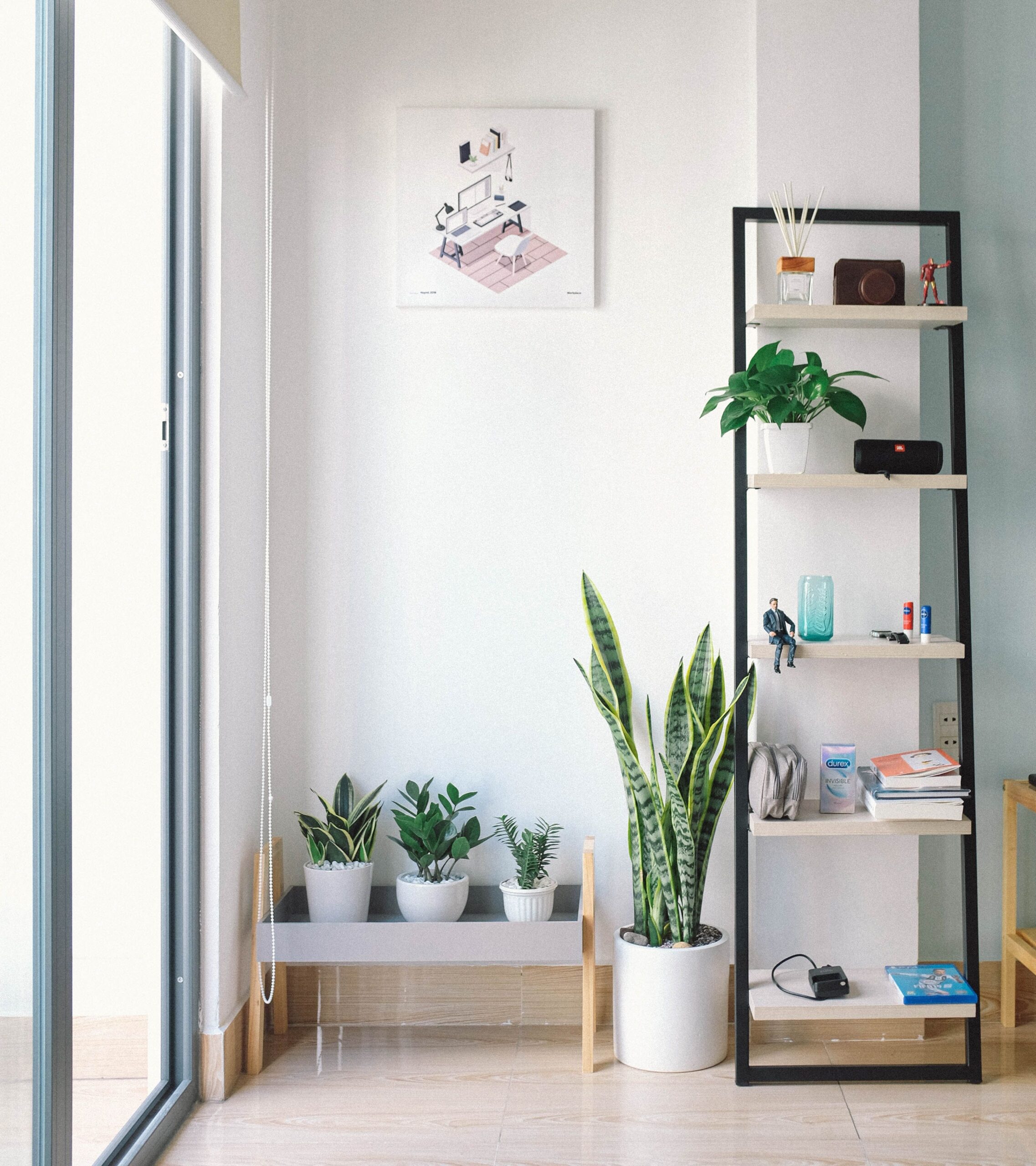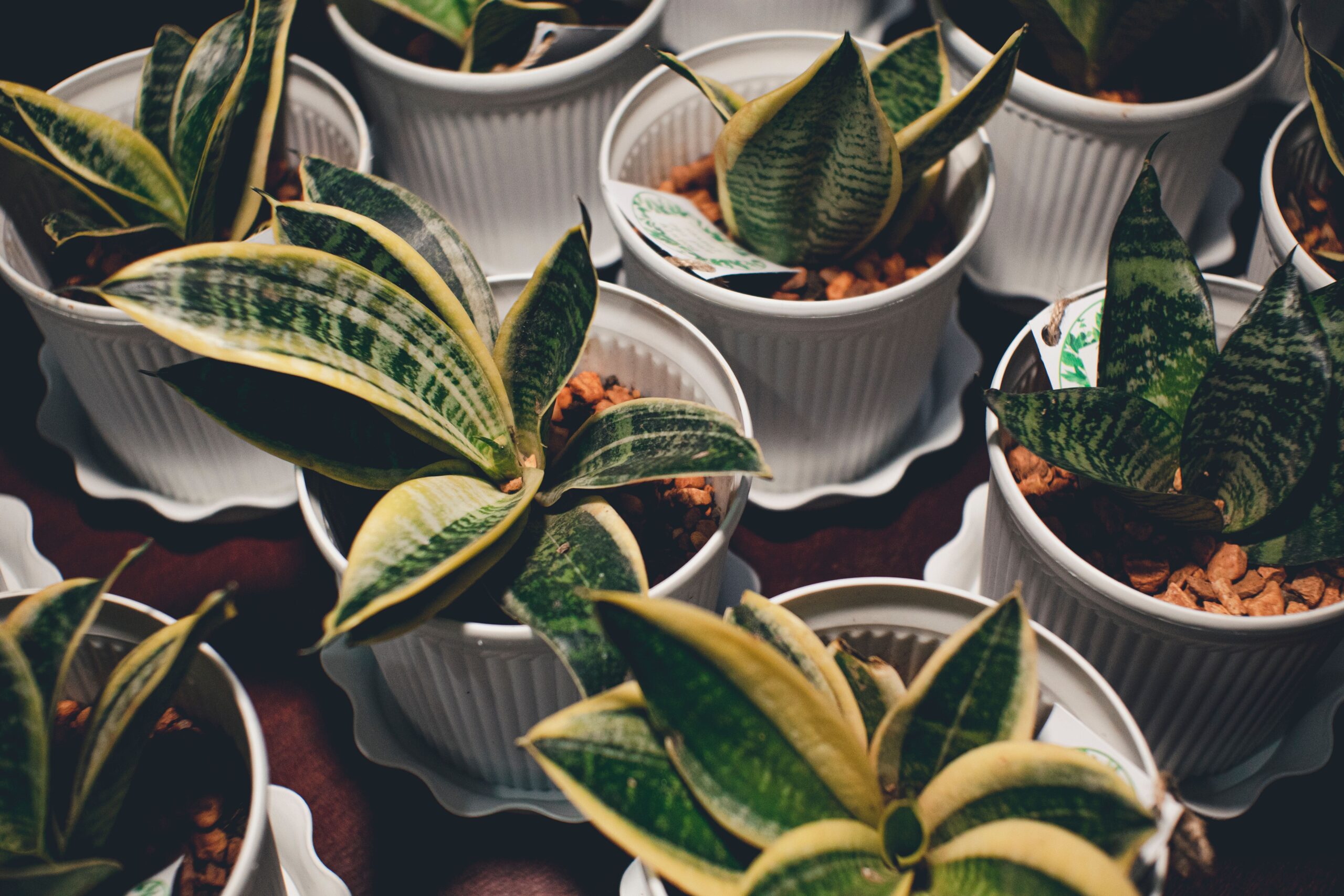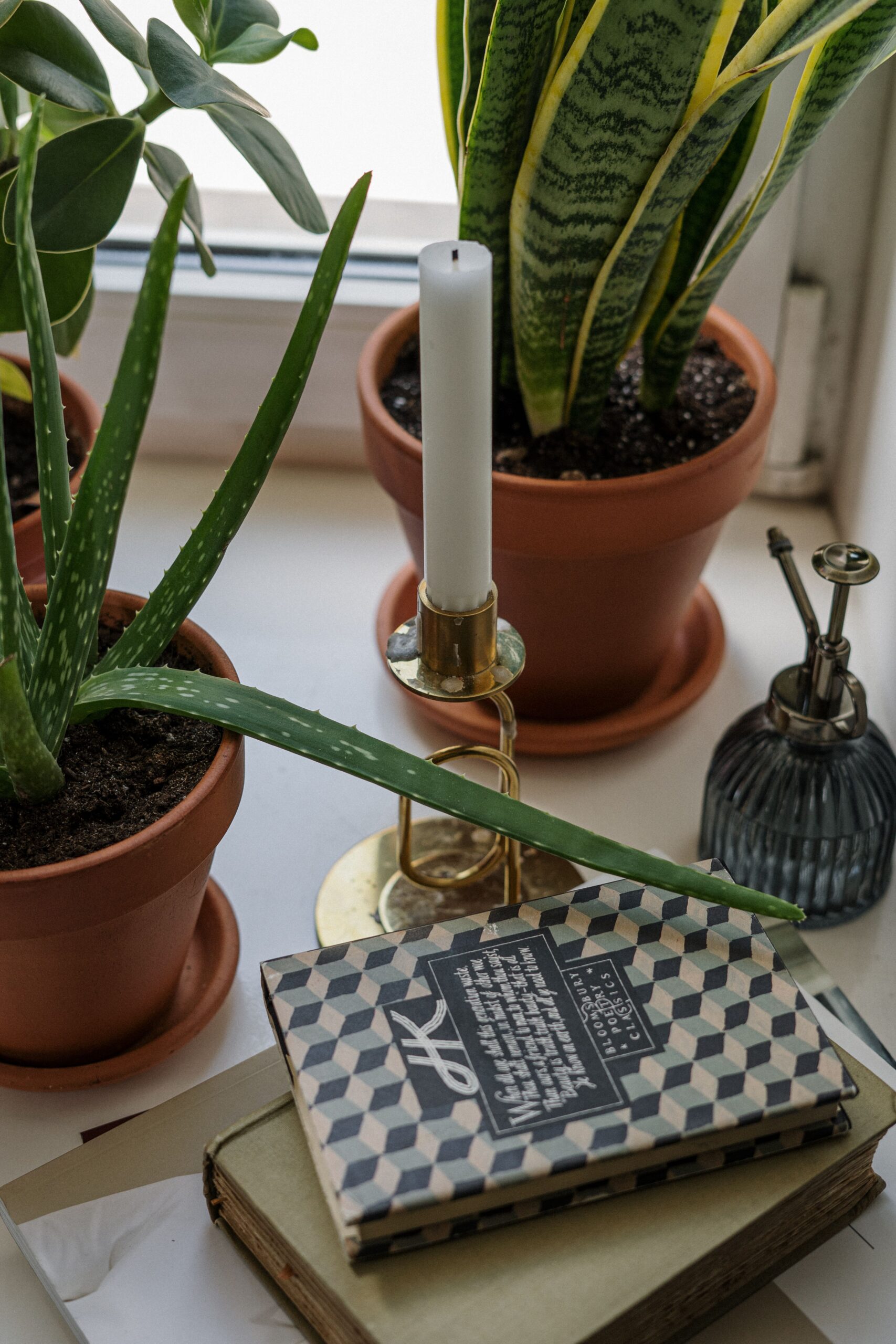
Snake plants (Dracaena trifasciata), formerly known as Sansevieria, are one of the most popular indoor plants because they are attractive, durable, and easy to maintain. However, if you’re a dog owner, you may be wondering:
Is a snake plant safe for dogs?
The answer is no. Snake plants are considered toxic to dogs if chewed or ingested. They contain naturally occurring compounds called saponins, which can irritate a dog’s digestive system and lead to mild to moderate poisoning.
Fortunately, most dogs recover well with prompt veterinary care, but it is important to recognize the signs and act quickly.
This guide explains everything you need to know about snake plant toxicity in dogs.
Are Snake Plants Toxic to Dogs?
Yes.
Snake plants contain saponins, natural chemicals that help protect the plant from insects, fungi, and other pests.
When a dog chews or eats the leaves, these compounds can irritate the mouth, stomach, and intestines.
While poisoning is usually not life-threatening, it can make your dog uncomfortable and should be taken seriously.
Why Are Snake Plants Harmful to Dogs?
Saponins act as the plant’s natural defense mechanism.
If swallowed, they may cause irritation of the digestive tract, leading to symptoms such as:
- Vomiting
- Diarrhea
- Excessive drooling
- Nausea
- Loss of appetite
The severity often depends on the amount of plant consumed and the size of the dog.
Symptoms of Snake Plant Poisoning in Dogs
If your dog has chewed or eaten a snake plant, watch for these symptoms:
- Vomiting
- Diarrhea
- Excessive drooling
- Loss of appetite
- Nausea
- Lethargy
- Mouth irritation
- Pawing at the mouth
- Mild abdominal discomfort
Symptoms usually appear within a few hours after ingestion.
What Should You Do If Your Dog Eats a Snake Plant?
If you suspect your dog has eaten part of a snake plant, follow these steps:
1. Remove Access to the Plant
Take the plant away so your dog cannot eat more of it.
2. Check Your Dog
Look for signs such as vomiting, drooling, diarrhea, or unusual behavior.
3. Offer Fresh Water
Fresh water can help rinse the mouth and keep your dog hydrated.
4. Contact Your Veterinarian
If your dog develops symptoms or you know it swallowed part of the plant, contact your veterinarian promptly for guidance.
Do not try to make your dog vomit unless a veterinarian specifically instructs you to do so.
How Is Snake Plant Poisoning Treated?
Treatment depends on:
- The amount eaten
- Your dog’s size
- The severity of symptoms
- Overall health
A veterinarian may recommend:
- Physical examination
- Fluids to prevent dehydration
- Medication to control vomiting or nausea
- Monitoring until symptoms improve
Most dogs recover within 24–48 hours with supportive care.
Can Snake Plant Poisoning Be Fatal?
In most cases, snake plant poisoning is mild to moderate and is not fatal.
However, puppies, senior dogs, and dogs with existing health conditions may be more affected by dehydration caused by vomiting or diarrhea.
If your dog shows severe symptoms or repeatedly vomits, seek veterinary care immediately.
How to Keep Dogs Safe Around Snake Plants
If you want to keep a snake plant in your home, follow these safety tips.
Place the Plant Out of Reach
Keep the plant:
- On high shelves
- In hanging planters
- In rooms your dog cannot access
Although many dogs cannot climb, large breeds may still reach low tables or shelves.
Train Your Dog
Teach commands such as:
- Leave it
- No
- Drop it
Training can help prevent your dog from chewing houseplants.
Provide Safe Chew Toys
Dogs that are bored often chew plants.
Provide:
- Durable chew toys
- Food puzzles
- Daily exercise
- Mental stimulation
Are Snake Plants Safe for Puppies?

Puppies are more curious than adult dogs and often chew objects while teething.
Because of this, puppies have a higher risk of eating houseplants.
Keep snake plants completely out of reach until your puppy learns not to chew household items.
Pet-Friendly Alternatives to Snake Plants
If you want a plant that is generally considered non-toxic to dogs, consider:
- Spider Plant (Chlorophytum comosum)
- Areca Palm (Dypsis lutescens)
- Boston Fern (Nephrolepis exaltata)
- Calathea species
- Parlor Palm (Chamaedorea elegans)
Even with non-toxic plants, discourage chewing because large amounts of plant material may still upset a dog’s stomach.
Can Dogs Live Safely With Snake Plants?
Yes, many households successfully keep both dogs and snake plants.
The key is preventing access.
Place the plant where your dog cannot reach it, supervise curious pets, and remove fallen leaves promptly.
Frequently Asked Questions
Is a snake plant poisonous to dogs?
Yes. Snake plants contain saponins that can irritate a dog’s digestive system if eaten.
What happens if my dog chews a snake plant?
Your dog may experience vomiting, diarrhea, drooling, loss of appetite, or mild stomach upset. Contact your veterinarian if symptoms develop.
Can a dog recover from snake plant poisoning?
Yes. Most dogs recover completely with supportive veterinary care.
Should I remove my snake plant if I have a dog?
Not necessarily. If you can keep it out of your dog’s reach, many homes safely keep both.
Are snake plants dangerous to puppies?
Yes. Puppies are more likely to chew plants and may be more vulnerable to dehydration if they develop vomiting or diarrhea.
Final Thoughts
If you’re asking, “Is a snake plant safe for dogs?”, the answer is no. Snake plants contain saponins that can cause digestive upset if your dog chews or eats them.
Fortunately, most cases are mild and resolve with prompt veterinary care. The best way to protect your dog is to place snake plants in areas that are inaccessible, provide safe chew alternatives, and monitor curious pets.
With a few simple precautions, you can enjoy the beauty of snake plants while keeping your canine companion safe.
Internal Links
- https://allsnakeplante.com/complete-snake-plant-care-guide-for-beginners/
- https://allsnakeplante.com/is-snake-plant-safe-for-cats/
- https://allsnakeplante.com/snake-plant-air-purifying-benefits/
- https://allsnakeplante.com/common-snake-plant-problems-and-solutions/
- https://allsnakeplante.com/snake-plant-light-requirements/