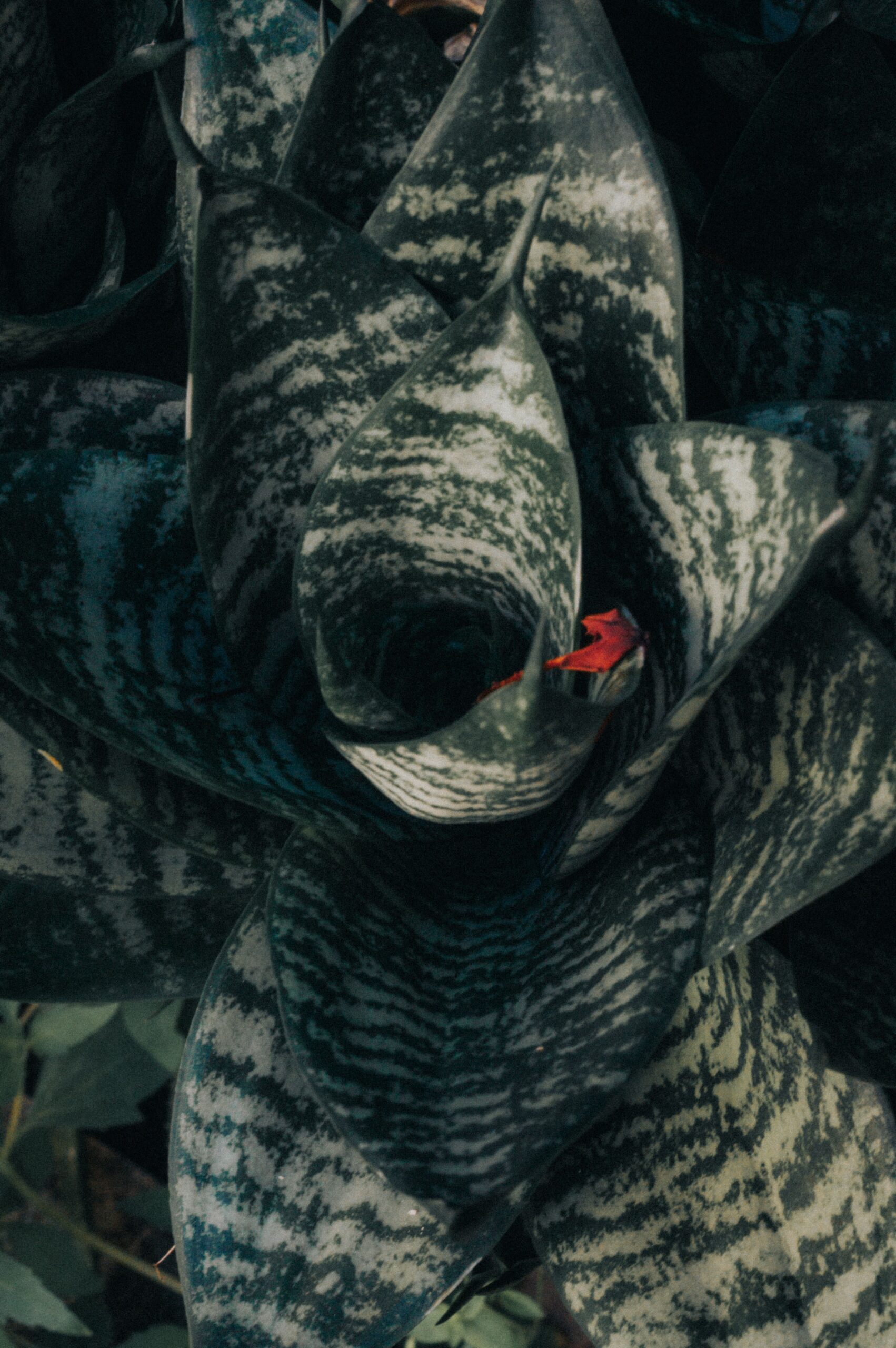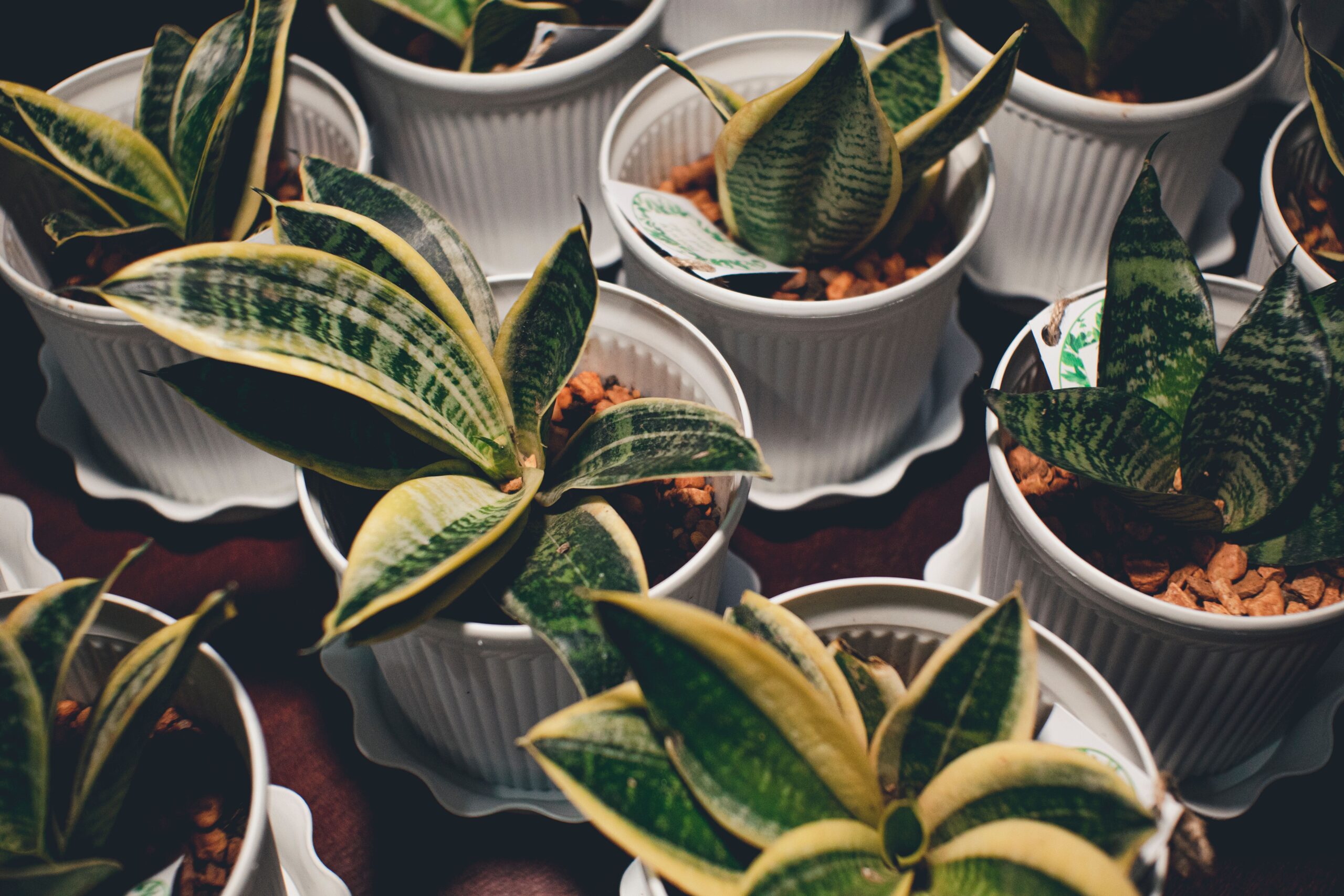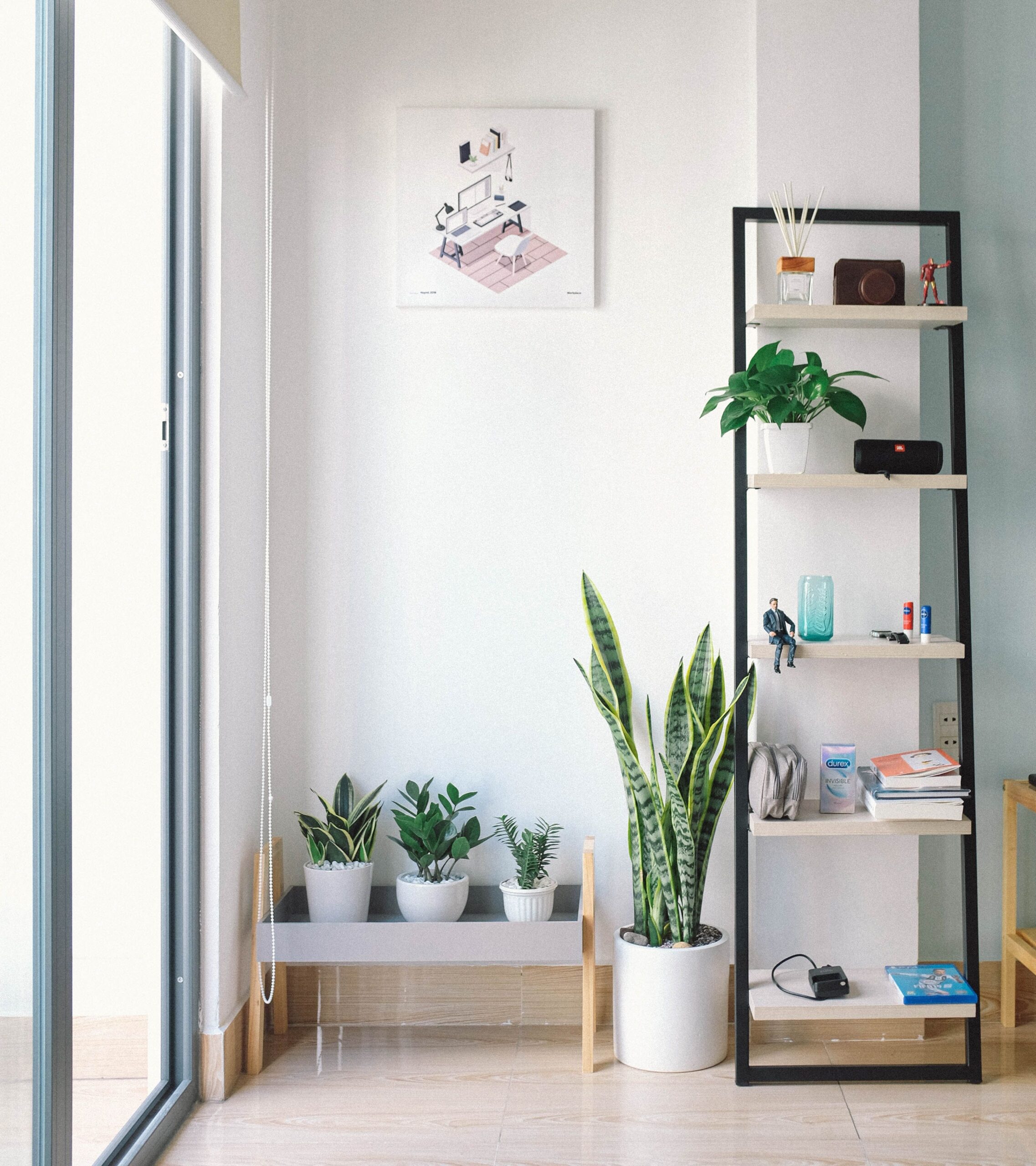
Snake plants (Dracaena trifasciata), also known as Sansevieria, are among the most resilient houseplants. Their upright, sword-shaped leaves can stay healthy for years with minimal care. However, one common issue many plant owners face is brown tips on snake plant leaves.
Brown leaf tips usually indicate that your plant is experiencing environmental stress. The most common causes include underwatering, overwatering, fertilizer burn, low humidity, poor water quality, temperature stress, or excessive sunlight.
Fortunately, brown tips are usually easy to prevent and manage once you identify the underlying cause.
In this guide, you’ll learn the most common reasons for snake plant brown tips, effective treatments, and simple prevention tips.
Why Do Snake Plant Leaves Get Brown Tips?
Brown tips appear when the leaf tissue becomes damaged or dries out.
Healthy snake plant leaves should be:
- Firm
- Thick
- Green
- Smooth
- Upright
If only the tips turn brown while the rest of the leaf remains healthy, the problem is often related to watering or environmental conditions rather than disease.
1. Underwatering
One of the most common reasons for brown leaf tips is underwatering.
Although snake plants tolerate drought well, going without water for too long can cause the leaf tips to dry and turn brown.
Symptoms
- Brown, crispy tips
- Dry soil
- Wrinkled leaves
- Slow growth
Treatment
- Water thoroughly when the soil is completely dry.
- Allow excess water to drain.
- Resume a consistent watering routine.
Avoid leaving the plant dry for several months.
Related guide:
2. Overwatering
Excess water can damage roots, preventing them from supplying moisture to the leaves.
This can result in brown tips along with yellow or soft leaves.
Symptoms
- Brown tips
- Yellow leaves
- Mushy roots
- Wet soil
- Soft leaves
Treatment
- Reduce watering.
- Allow soil to dry between waterings.
- Repot if root rot develops.
Related guide:
3. Fertilizer Burn
Applying too much fertilizer can cause salt buildup in the soil.
Excess salts damage the roots and lead to brown leaf tips.
Signs
- Brown leaf edges
- White crust on soil
- Weak growth
Treatment
- Flush the soil with clean water.
- Stop fertilizing for several weeks.
- Resume feeding at half strength during spring and summer.
Related guide:
4. Poor Water Quality
Tap water sometimes contains:
- Fluoride
- Chlorine
- Mineral salts
Over time, these substances can accumulate in the soil and cause brown leaf tips.
Treatment
Use:
- Filtered water
- Rainwater
- Distilled water (occasionally)
Flushing the soil every few months also helps remove excess minerals.
5. Low Humidity
Snake plants tolerate average indoor humidity well, but extremely dry air may cause leaf tips to dry.
This is more common during winter when indoor heating reduces humidity.
Treatment
- Keep the plant away from heating vents.
- Maintain normal indoor humidity.
- Avoid excessive misting, as it is usually unnecessary.
6. Too Much Direct Sunlight
Snake plants enjoy bright light, but prolonged exposure to harsh afternoon sun can scorch the leaf tips.
Symptoms
- Brown tips
- Brown patches
- Faded leaves
- Dry edges
Treatment
Move the plant to a location with bright, indirect light.
A sheer curtain can help filter strong sunlight.
Related guide:
https://allsnakeplante.com/snake-plant-light-requirements
7. Temperature Stress
Snake plants prefer temperatures between:
60°F–85°F (16°C–29°C)
Exposure to extreme heat or cold may damage leaf tissue.
Avoid placing your plant near:
- Heating vents
- Air conditioners
- Drafty windows
- Exterior doors
A stable indoor environment promotes healthy growth.
8. Root-Bound Plant
If your snake plant has outgrown its pot, the roots may struggle to absorb enough water and nutrients.
Signs
- Brown tips
- Slow growth
- Roots emerging from drainage holes
- Soil drying very quickly
Treatment
Repot into a container that is only 1–2 inches larger in diameter and use fresh, well-draining soil.
Related guide:
9. Natural Aging
Older leaves sometimes develop brown tips as they age.
If only one or two older leaves are affected and the rest of the plant looks healthy, there is usually no cause for concern.
Simply trim the damaged tips or remove the leaf if necessary.
How to Trim Brown Tips
Brown tips will not turn green again, but you can improve the plant’s appearance.
Steps
- Sterilize a pair of sharp scissors.
- Trim only the brown portion.
- Follow the natural shape of the leaf.
- Avoid cutting into healthy green tissue.
This keeps the plant looking neat while preserving healthy growth.
How to Prevent Brown Tips
Follow these simple care tips:
✅ Water only when the soil is dry
✅ Use a pot with drainage holes
✅ Plant in fast-draining soil
✅ Fertilize lightly during spring and summer
✅ Protect from harsh afternoon sunlight
✅ Keep temperatures stable
✅ Use quality water when possible
✅ Repot every 2–3 years if needed
Good care habits prevent most brown tip problems.
Quick Troubleshooting Chart
| Problem | Likely Cause | Best Solution |
|---|---|---|
| Dry brown tips | Underwatering | Water thoroughly |
| Brown tips with yellow leaves | Overwatering | Reduce watering |
| Brown tips after feeding | Fertilizer burn | Flush soil |
| Brown tips in sunny window | Sunburn | Move to indirect light |
| Brown tips during winter | Dry indoor air | Avoid heat sources |
| Brown tips with crowded roots | Root-bound | Repot the plant |
Frequently Asked Questions
Why are my snake plant tips turning brown?
The most common causes are underwatering, overwatering, fertilizer burn, poor water quality, and excessive sunlight.
Can brown snake plant tips turn green again?
No. Brown tissue is permanently damaged. However, healthy new growth will appear once the problem is corrected.
Should I cut off brown tips?
Yes. You can trim only the brown portion using clean scissors while keeping the natural leaf shape.
Can tap water cause brown tips?
Yes. High levels of minerals, fluoride, or chlorine in tap water may contribute to brown tips over time.
How often should I water my snake plant?
Most indoor snake plants need watering every 2–4 weeks, depending on temperature, light, and soil moisture.
Final Thoughts
Brown tips are one of the most common issues for snake plants, but they are usually a sign of a simple care problem rather than a serious disease. By adjusting your watering routine, improving drainage, using balanced fertilizer, and protecting the plant from harsh sunlight, you can stop new brown tips from forming.
Remember that consistent care is more important than frequent care. Snake plants thrive when they are allowed to dry out between waterings and are grown in well-draining soil with bright, indirect light.
Internal Links
- https://allsnakeplante.com/complete-snake-plant-care-guide-for-beginners/
- https://allsnakeplante.com/how-often-to-water-a-snake-plant/
- https://allsnakeplante.com/best-soil-mix-for-snake-plants/
- https://allsnakeplante.com/snake-plant-light-requirements/
- https://allsnakeplante.com/best-fertilizer-for-snake-plants/
- https://allsnakeplante.com/how-to-fix-snake-plant-root-rot/
- https://allsnakeplante.com/common-snake-plant-problems-and-solutions/