
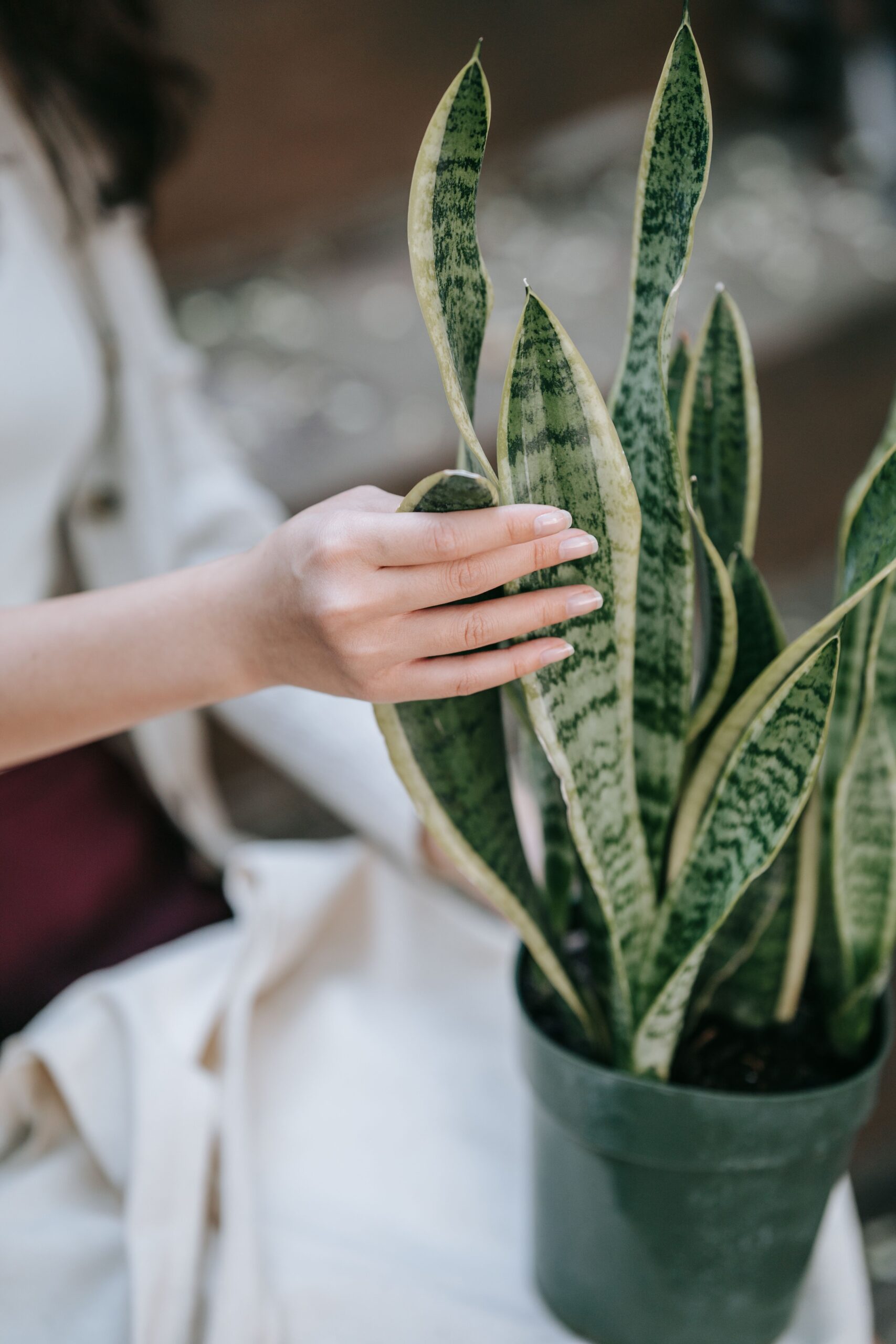
Complete Snake Plant Care Guide for Beginners
Snake plants (Dracaena trifasciata), formerly known as Sansevieria, are among the easiest houseplants to grow. Their upright leaves, beautiful patterns, and ability to thrive with minimal care make them perfect for beginners and experienced plant lovers alike. Whether you want to decorate your home, improve indoor air quality, or own a low-maintenance plant, the snake plant is an excellent choice.
In this complete snake plant care guide for beginners, you’ll learn everything from choosing the right pot to watering schedules, sunlight requirements, soil selection, fertilizing, and common mistakes to avoid.
If you’re new to growing indoor plants, this guide will help you keep your snake plant healthy for years.
Why Choose a Snake Plant?
Snake plants are one of the most popular indoor plants because they are incredibly forgiving. Even if you occasionally forget to water them, they continue to grow well.
Benefits include:
- Extremely low maintenance
- Drought tolerant
- Beautiful modern appearance
- Improves indoor air quality
- Survives in low light
- Long lifespan
- Beginner-friendly
- Pet-resistant placement options
- Perfect for homes and offices
If you’re just starting your indoor gardening journey, you may also enjoy reading our Snake Plant Benefits Guide:
https://allsnakeplante.com/snake-plant-benefits/
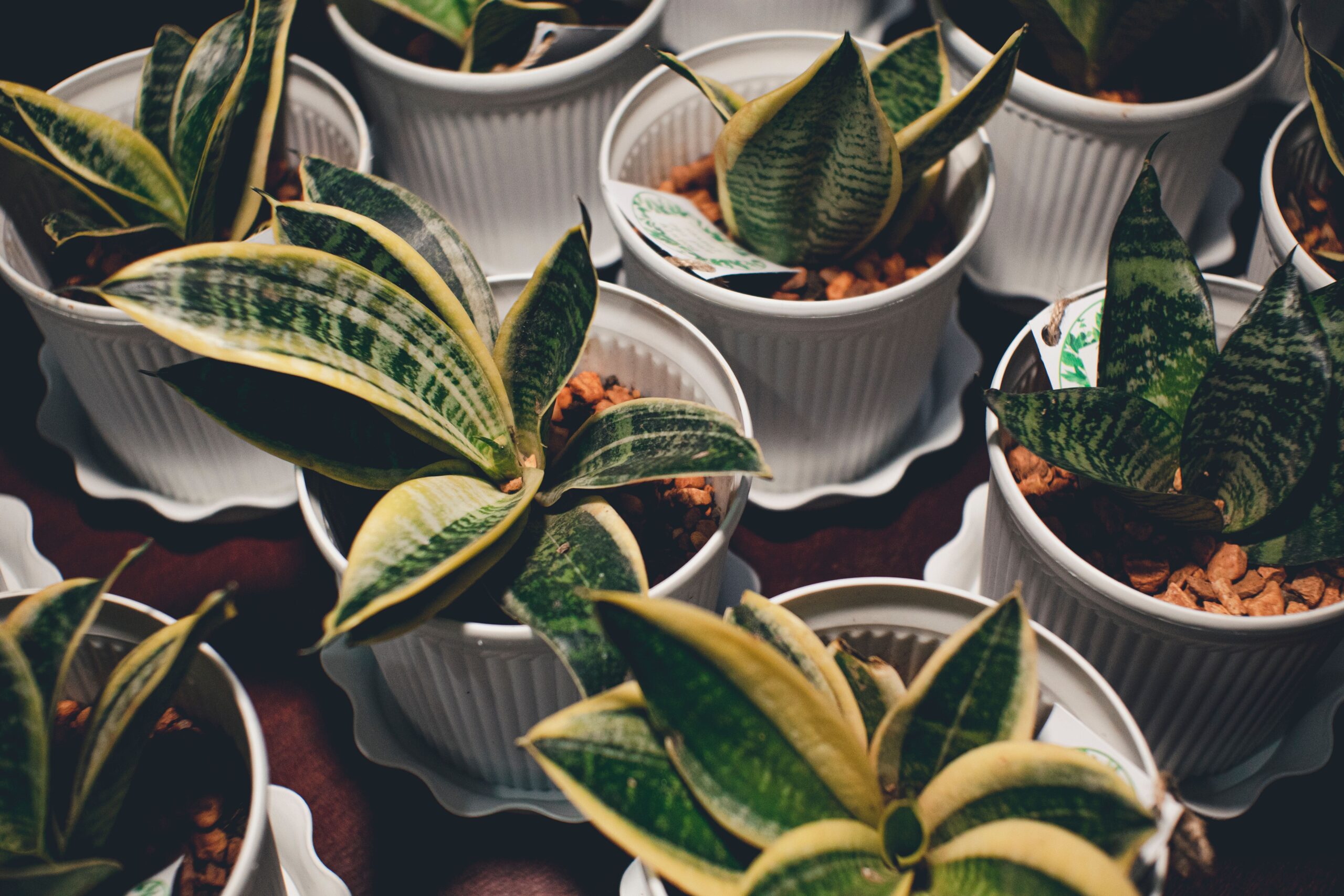
Different Types of Snake Plants
There are many beautiful varieties of snake plants.
1. Laurentii Snake Plant
The most common variety with dark green leaves and bright yellow edges.
2. Moonshine Snake Plant
Features attractive silver-green leaves that brighten modern interiors.
3. Whale Fin Snake Plant
Known for its massive paddle-shaped leaves.
4. Black Gold Snake Plant
Dark green leaves with golden borders create an elegant look.
5. Cylindrical Snake Plant
Round spear-like leaves that are often braided for decoration.
Each variety has nearly identical care requirements, making them ideal for beginners.
Best Light for Snake Plants
Lighting is one of the biggest factors in keeping your snake plant healthy.
Bright Indirect Light
This is the ideal condition.
Place your plant near:
- East-facing windows
- North-facing windows
- Bright rooms
- Filtered sunlight
Low Light
Snake plants tolerate low light better than most houseplants.
Although growth slows down, they remain healthy.
Direct Sunlight
Too much afternoon sunlight can burn the leaves.
Morning sunlight is generally safe.
Signs of excessive sunlight include:
- Brown patches
- Dry leaf edges
- Yellowing leaves
Rotate your plant every few weeks so all sides receive equal light.
How Often Should You Water a Snake Plant?
Overwatering is the number one reason snake plants die.
Instead of watering on a strict schedule, check the soil first.
Water only when the top 2–3 inches of soil are completely dry.
Summer
Water every 2–3 weeks.
Winter
Water every 4–6 weeks.
Always reduce watering during colder months.
Signs of Overwatering
- Soft leaves
- Yellow leaves
- Mushy roots
- Root rot
- Bad smell from soil
Signs of Underwatering
- Wrinkled leaves
- Curling edges
- Dry leaf tips
A good rule is:
When in doubt, wait a few more days before watering.
For more watering tips, visit:
https://allsnakeplante.com/how-often-to-water-a-snake-plant/
Best Soil for Snake Plants
Snake plants require fast-draining soil.
The ideal mix contains:
- Potting soil
- Perlite
- Coarse sand
- Pumice
Avoid heavy garden soil because it traps water around the roots.
A cactus or succulent potting mix works perfectly.
Good drainage is more important than rich soil.
Choosing the Right Pot
Selecting the proper container is essential.
Best Pot Materials
- Terracotta
- Clay
- Ceramic with drainage holes
Terracotta pots are especially recommended because they absorb excess moisture.
Avoid decorative containers without drainage holes.
Choose a pot only 1–2 inches larger than the root ball.
Large pots hold excess moisture and increase the risk of root rot.
Temperature Requirements
Snake plants grow best between:
60°F–85°F (16°C–29°C)
Avoid temperatures below:
50°F (10°C)
Cold drafts can damage leaves.
Keep your plant away from:
- Air conditioners
- Heating vents
- Frost
- Freezing windows
Humidity Needs
Unlike tropical plants, snake plants do not require high humidity.
Average indoor humidity is perfect.
Bathrooms can also be suitable if they receive enough light.
Avoid constantly wet environments.
Fertilizing Snake Plants
Snake plants do not need frequent fertilizing.
Feed once every 6–8 weeks during spring and summer.
Use:
- Balanced liquid fertilizer
- Succulent fertilizer
- Cactus fertilizer
Avoid fertilizing during winter because the plant enters a slower growth phase.
Too much fertilizer can:
- Burn roots
- Cause weak growth
- Damage leaves
Less fertilizer is usually better.
Cleaning Snake Plant Leaves
Dust builds up over time and reduces the plant’s ability to absorb light.
Clean leaves every month.
Steps:
- Use a soft microfiber cloth.
- Wipe each leaf gently.
- Avoid harsh cleaning products.
- Never use leaf shine sprays.
Clean leaves look healthier and help the plant photosynthesize more efficiently.
Common Beginner Mistakes
Many new plant owners accidentally harm their snake plants by providing too much care.
Avoid these mistakes:
- Watering too often
- Using pots without drainage holes
- Keeping the soil constantly wet
- Placing the plant in deep darkness
- Overfertilizing
- Ignoring root rot
- Exposing the plant to freezing temperatures
- Using compact garden soil
Most snake plant problems are easy to prevent by watering less and ensuring good drainage.
Internal Links
- https://allsnakeplante.com/snake-plant-benefits/
- https://allsnakeplante.com/how-often-to-water-a-snake-plant/
- https://allsnakeplante.com/best-soil-for-snake-plants/
External Resources
Complete Snake Plant Care Guide for Beginners (Part 2)
How to Repot a Snake Plant
Snake plants are slow growers, so they don’t need frequent repotting. Most plants only require a new pot every 2–3 years or when the roots become crowded.
Signs Your Snake Plant Needs Repotting
- Roots are growing through the drainage holes.
- The pot is cracking due to root pressure.
- Water drains too quickly because the roots fill the pot.
- Growth has slowed significantly.
Steps to Repot
- Choose a pot that is 1–2 inches larger than the current one.
- Fill the bottom with a well-draining cactus or succulent soil mix.
- Carefully remove the plant and shake off excess soil.
- Trim any black or mushy roots with clean scissors.
- Place the plant in the new pot at the same depth as before.
- Add fresh soil around the roots without packing it too tightly.
- Wait 3–5 days before watering to allow damaged roots to heal.
Repotting during spring or early summer gives the best results because the plant is actively growing.
How to Propagate a Snake Plant
Propagation is an easy way to grow new plants from your existing one. There are two common methods.
Method 1: Division (Best Method)
Division is the fastest and most reliable way to create new plants.
Steps
- Remove the plant from its pot.
- Separate the root clumps with a clean knife.
- Ensure each division has healthy roots and leaves.
- Plant each section in its own pot with fresh soil.
- Water lightly after a few days.
This method preserves the original leaf colors and patterns.
Method 2: Leaf Cuttings
Leaf cuttings are simple but take longer.
Steps
- Cut a healthy leaf into 3–4 inch sections.
- Allow the cut ends to dry for 24–48 hours.
- Plant the cuttings upright in moist succulent soil.
- Keep them in bright, indirect light.
- Water sparingly until roots develop.
New roots usually appear within 4–8 weeks.
Common Snake Plant Problems
Even though snake plants are hardy, they can develop problems if not cared for properly.
Yellow Leaves
Possible causes:
- Overwatering
- Poor drainage
- Lack of sunlight
Solution
Allow the soil to dry completely before watering again and move the plant to a brighter location.
Brown Leaf Tips
Possible causes:
- Dry indoor air
- Inconsistent watering
- Fertilizer burn
Solution
Trim damaged tips with clean scissors and avoid overfertilizing.
Mushy Leaves
This usually indicates root rot caused by excessive watering.
Solution
- Remove affected roots.
- Replace the old soil.
- Repot the plant into fresh, well-draining soil.
- Reduce watering frequency.
Drooping Leaves
Possible causes:
- Heavy watering
- Damaged roots
- Lack of sunlight
Move the plant to a bright location and check the roots if the problem continues.
Common Pests
Although snake plants are resistant to most pests, they can occasionally attract:
- Mealybugs
- Spider mites
- Scale insects
- Fungus gnats
Treatment
- Wipe leaves with a damp cloth.
- Spray diluted neem oil.
- Use insecticidal soap if the infestation becomes severe.
- Isolate affected plants from healthy ones.
Regular inspection helps prevent major pest problems.
Snake Plant Care Tips for Every Season
Spring
- Resume regular watering.
- Apply fertilizer every 6–8 weeks.
- Repot if needed.
Summer
- Keep in bright, indirect light.
- Water every 2–3 weeks.
- Watch for pests.
Autumn
- Gradually reduce watering.
- Stop fertilizing toward the end of the season.
Winter
- Water only when the soil is completely dry.
- Protect the plant from cold drafts.
- Avoid overwatering, as growth slows significantly.
Are Snake Plants Safe for Pets?
Snake plants contain compounds that can be mildly toxic if chewed by cats or dogs.
Symptoms may include:
- Drooling
- Vomiting
- Mild stomach upset
Keep the plant out of reach of curious pets and young children.
Frequently Asked Questions (FAQ)
How often should I water my snake plant?
Usually every 2–4 weeks, depending on temperature, humidity, and light. Always let the soil dry out before watering.
Can snake plants survive in low light?
Yes. They tolerate low light well but grow faster in bright, indirect light.
Why are my snake plant leaves turning yellow?
The most common cause is overwatering or poor drainage.
Do snake plants need fertilizer?
Yes, but only during spring and summer. Fertilize lightly every 6–8 weeks.
How fast do snake plants grow?
They are slow growers, producing several new leaves each year under ideal conditions.
Can I keep a snake plant in my bedroom?
Yes. Snake plants are popular bedroom plants because they are easy to care for and tolerate indoor conditions well.
Should I mist my snake plant?
No. Snake plants do not require misting and prefer normal indoor humidity.
When should I repot my snake plant?
Every 2–3 years or when it becomes root-bound.
Can a snake plant recover from root rot?
Yes, if caught early. Remove damaged roots, repot in fresh soil, and reduce watering.
What’s the best pot for a snake plant?
A terracotta or clay pot with drainage holes is ideal because it helps prevent excess moisture.
Final Thoughts
Snake plants are among the easiest and most rewarding houseplants for beginners. With the right balance of light, well-draining soil, and careful watering, they can thrive for many years. Their striking appearance, resilience, and low-maintenance nature make them an excellent addition to homes, offices, and indoor gardens.
Whether you’re buying your first snake plant or looking to improve your plant care routine, following the tips in this guide will help you grow a healthy and beautiful plant with confidence.
For more expert tips and guides, explore:
Internal Links
- https://allsnakeplante.com/snake-plant-benefits/
- https://allsnakeplante.com/how-often-to-water-a-snake-plant/
- https://allsnakeplante.com/best-soil-for-snake-plants/
- https://allsnakeplante.com/snake-plant-propagation/
- https://allsnakeplante.com/common-snake-plant-problems/
External Resources
SEO Meta Title
Complete Snake Plant Care Guide for Beginners (2026 Ultimate Guide)
SEO Meta Description
Learn everything about snake plant care, including watering, sunlight, soil, fertilizer, propagation, repotting, common problems, and expert tips for healthy indoor plants.
Suggested URL Slug
Suggested Image ALT Texts
- Complete Snake Plant Care Guide for Beginners
- Healthy Snake Plant in Indoor Pot
- Snake Plant Watering Tips
- Best Soil Mix for Snake Plants
- Repotting a Snake Plant Step by Step
- Snake Plant Propagation by Division
- Common Snake Plant Problems and Solutions
- Beautiful Indoor Snake Plant in Living Room
SEO Keywords
- Complete Snake Plant Care Guide for Beginners
- Snake Plant Care
- How to Care for Snake Plant
- Snake Plant Watering Guide
- Best Soil for Snake Plant
- Snake Plant Propagation
- Snake Plant Light Requirements
- Indoor Snake Plant Care
- Snake Plant Problems
- Beginner Houseplant Guide
This article is structured to be search-engine friendly with clear headings, relevant keywords, internal linking opportunities, authoritative external resources, and FAQ content to improve visibility and user engagement.
2 Comments on “Complete Snake Plant Care Guide for Beginners”