Snake Plant Winter Care Guide (Complete Seasonal Care Tips)
Focus Keyword: Snake Plant Winter Care Guide
SEO Title: Snake Plant Winter Care Guide: How to Keep Your Plant Healthy in Cold Weather (2026)
Meta Description: Learn the best snake plant winter care tips, including watering, temperature, light, humidity, and fertilizer advice to keep your snake plant healthy during cold months.
Snake Plant Winter Care Guide
Snake plants (Dracaena trifasciata), formerly known as Sansevieria, are tough and adaptable houseplants that can survive many conditions. However, winter brings changes that can affect their health, including lower temperatures, reduced sunlight, and slower growth.
During winter, snake plants enter a resting period. They require less water, less fertilizer, and careful protection from cold temperatures.
In this complete snake plant winter care guide, you will learn how to protect your plant during colder months and keep it healthy until spring.
How Does Winter Affect Snake Plants?
During winter, snake plants naturally slow down their growth.
Common changes include:
- Slower leaf production
- Reduced water requirements
- Less nutrient absorption
- Longer drying time for soil
Because growth slows, the plant uses less energy and water. Many winter problems happen when owners continue summer care routines.
The biggest winter mistake is overwatering.
1. Reduce Watering During Winter
Watering is the most important part of winter snake plant care.
During colder months:
- Soil dries more slowly
- Roots absorb less water
- Excess moisture stays longer
Winter Watering Schedule
Most indoor snake plants need water every:
4–6 weeks
However, always check the soil first.
Water only when:
- The soil is completely dry
- The pot feels lightweight
- Leaves remain firm
Avoid watering based only on a calendar.
Signs of Overwatering in Winter
Cold weather combined with wet soil can quickly cause root problems.
Watch for:
- Yellow leaves
- Soft leaves
- Mushy roots
- Black spots
- Bad smell from soil
If these symptoms appear, reduce watering immediately.
Related guide:
https://allsnakeplante.com/how-to-fix-snake-plant-root-rot/
2. Provide Enough Winter Light
Winter days are shorter, and indoor light levels often decrease.
Although snake plants tolerate low light, they still need some brightness.
Best Winter Location:
- Near an east-facing window
- Near a bright north-facing window
- A few feet away from a sunny window
Avoid placing the plant directly against cold glass.
More lighting information:
https://allsnakeplante.com/snake-plant-light-requirements/
3. Protect From Cold Temperatures
Snake plants prefer warm indoor conditions.
Ideal temperature:
60°F–85°F (16°C–29°C)
Avoid temperatures below:
50°F (10°C)
Keep your snake plant away from:
- Cold windows
- Open doors
- Air conditioners
- Unheated rooms
- Cold drafts
Cold damage can cause:
- Soft leaves
- Dark spots
- Leaf collapse
4. Avoid Fertilizing in Winter
Snake plants usually do not need fertilizer during winter.
Why?
Because growth slows down and the plant cannot use nutrients efficiently.
Too much fertilizer during winter can cause:
- Root stress
- Salt buildup
- Brown leaf tips
Resume feeding in spring when new growth begins.
Fertilizer guide:
https://allsnakeplante.com/best-fertilizer-for-snake-plants/
5. Maintain Proper Humidity
Snake plants do not require high humidity.
Normal indoor humidity is usually enough.
Avoid:
- Frequent misting
- Keeping soil constantly wet
- Placing near humidifiers without monitoring moisture
Winter heating systems can create dry air, but snake plants generally handle it well.
6. Clean Leaves During Winter
Dust can accumulate indoors during winter.
Dirty leaves can reduce the plant’s ability to absorb light.
Cleaning steps:
- Use a soft damp cloth.
- Wipe each leaf gently.
- Remove dust from both sides.
- Avoid leaf shine products.
Clean leaves help your plant make better use of limited winter light.
7. Avoid Repotting During Winter
Winter is usually not the best time to repot snake plants.
Repotting can stress the plant because growth is slower.
Best repotting time:
- Spring
- Early summer
Only repot during winter if:
- The pot is broken
- There is severe root rot
- The soil has serious problems
Repotting guide:
https://allsnakeplante.com/how-to-repot-a-snake-plant-step-by-step/
8. Watch for Winter Pests
Indoor heating can sometimes encourage pests.
Common pests include:
- Mealybugs
- Spider mites
- Scale insects
Check:
- Leaf surfaces
- Leaf joints
- Soil area
If pests appear:
- Clean leaves
- Isolate the plant
- Use insecticidal soap if needed
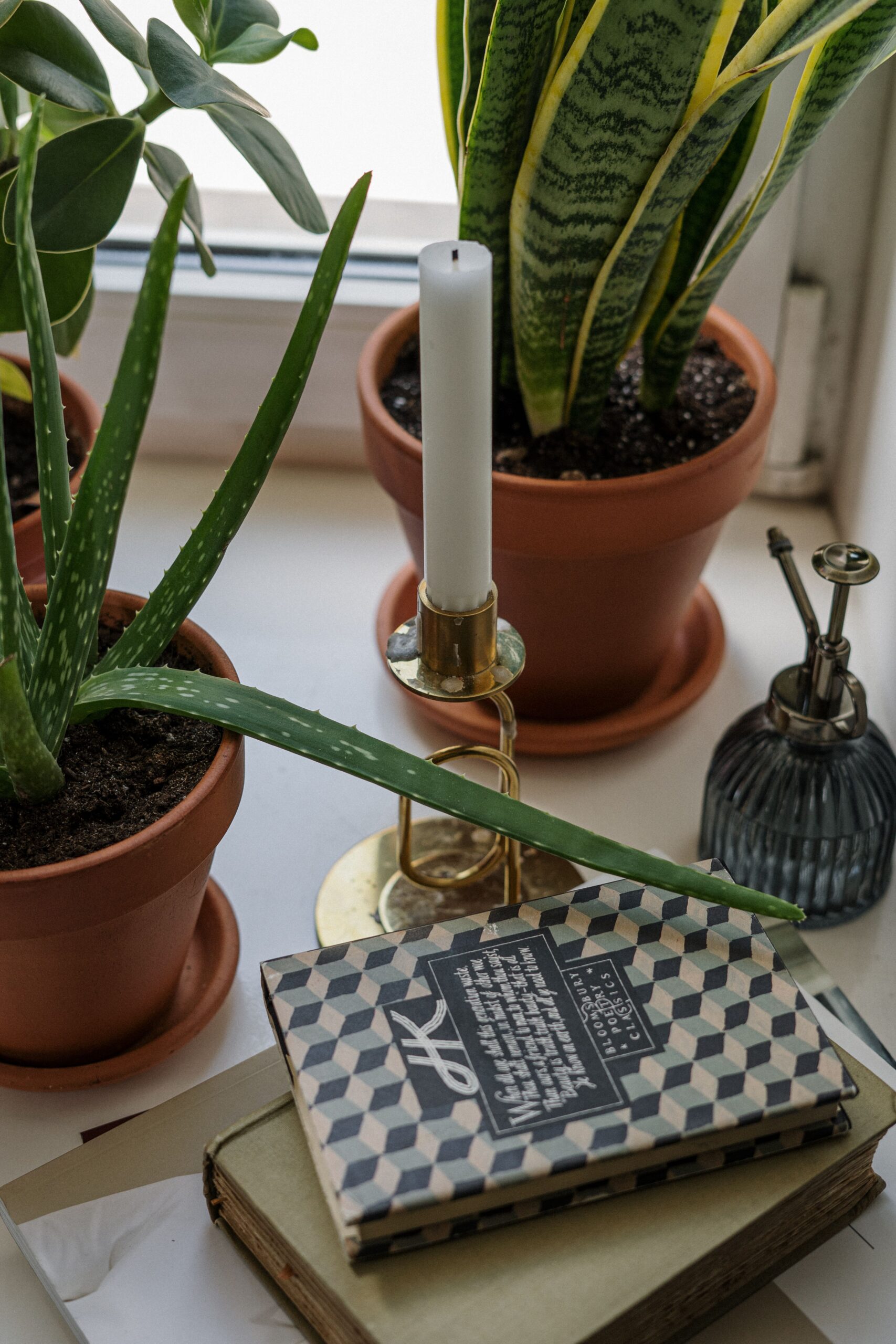
9. Winter Care for Snake Plants Near Windows
Windows provide valuable light but can create temperature problems.
During winter:
✅ Keep plants close enough to receive light
✅ Move them away from freezing glass at night
✅ Avoid cold drafts
✅ Use curtains for protection
A few feet away from a bright window is often ideal.
10. Winter Care Mistakes to Avoid
Avoid these common mistakes:
❌ Watering weekly
❌ Adding fertilizer during winter
❌ Keeping the plant in cold rooms
❌ Leaving water in the drainage tray
❌ Placing near heaters
❌ Repotting unnecessarily
❌ Moving the plant frequently
Snake plants prefer stability during winter.
Winter Snake Plant Care Schedule
| Task | Winter Recommendation |
|---|---|
| Watering | Every 4–6 weeks |
| Fertilizer | Stop until spring |
| Light | Bright indirect light |
| Temperature | 60°F–85°F |
| Humidity | Normal indoor humidity |
| Repotting | Avoid unless necessary |
| Cleaning | Monthly leaf cleaning |
Frequently Asked Questions
How often should I water my snake plant in winter?
Most snake plants need watering every 4–6 weeks, but always check the soil before watering.
Can snake plants survive cold weather?
They can tolerate mild temperature changes but should be protected from temperatures below 50°F (10°C).
Should I fertilize my snake plant during winter?
No. Wait until spring when active growth begins.
Why are my snake plant leaves turning yellow in winter?
The most common reason is overwatering because soil dries much slower in cold weather.
Can I keep my snake plant near a heater?
No. Direct heat can dry and damage leaves. Keep plants several feet away from heating vents.
Final Thoughts
Proper snake plant winter care is simple: water less, provide enough light, avoid cold temperatures, and stop fertilizing until spring.
The most important rule during winter is:
A snake plant is more likely to suffer from too much care than too little care.
By adjusting your routine for colder months, your snake plant will remain healthy and ready for new growth when spring arrives.
Internal Links
- https://allsnakeplante.com/complete-snake-plant-care-guide-for-beginners/
- https://allsnakeplante.com/how-often-to-water-a-snake-plant/
- https://allsnakeplante.com/snake-plant-light-requirements/
- https://allsnakeplante.com/best-fertilizer-for-snake-plants/
- https://allsnakeplante.com/how-to-fix-snake-plant-root-rot/
- https://allsnakeplante.com/how-to-repot-a-snake-plant-step-by-step/
External Resources
Suggested URL Slug
Image ALT Text Ideas
- Snake Plant Winter Care Guide
- Snake Plant Near Window During Winter
- Protecting Snake Plant From Cold Weather
- Winter Indoor Plant Care Tips
- Healthy Snake Plant During Cold Season
SEO Keywords
- Snake Plant Winter Care Guide
- How to Care for Snake Plant in Winter
- Snake Plant Cold Weather Care
- Winter Watering for Snake Plants
- Snake Plant Temperature Requirements
- Indoor Plant Winter Care
- Snake Plant Yellow Leaves Winter
- Sansevieria Winter Care
- Snake Plant Maintenance Guide
- Beginner Snake Plant Care Tips