<div data-placement-id="revbid-leaderboard" id='revbid-leaderboard-9364' style='min-width: 468px; min-height: 60px;text-align:center'></div>Introduction: Choosing the Best Pot for Snake Plants
Choosing the right pot is one of the most important steps in growing a healthy Snake Plant. Although Snake Plants are known as low-maintenance houseplants, the wrong container can cause serious problems like root rot, slow growth, and yellow leaves.
A good Snake Plant pot should provide:
- Proper drainage
- Enough space for roots
- Stability for tall leaves
- Good airflow
- Attractive home decoration
In this guide, we will discuss the best pots for Snake Plants, including pot materials, sizes, shapes, drainage requirements, and common mistakes to avoid.
Why Choosing the Right Pot Matters for Snake Plants
Snake Plants are drought-tolerant plants that store water in their thick leaves. They do not like sitting in wet soil for long periods.
The right pot helps:
✔ Prevent overwatering
✔ Reduce root rot risk
✔ Encourage healthy root growth
✔ Keep the plant stable
✔ Improve indoor appearance
Learn more about proper Snake Plant care:
Internal Link:
https://allsnakeplante.com/snake-plant-care-guide/
Best Pot Materials for Snake Plants
Different materials have different benefits. The best choice depends on your watering habits, home style, and plant size.
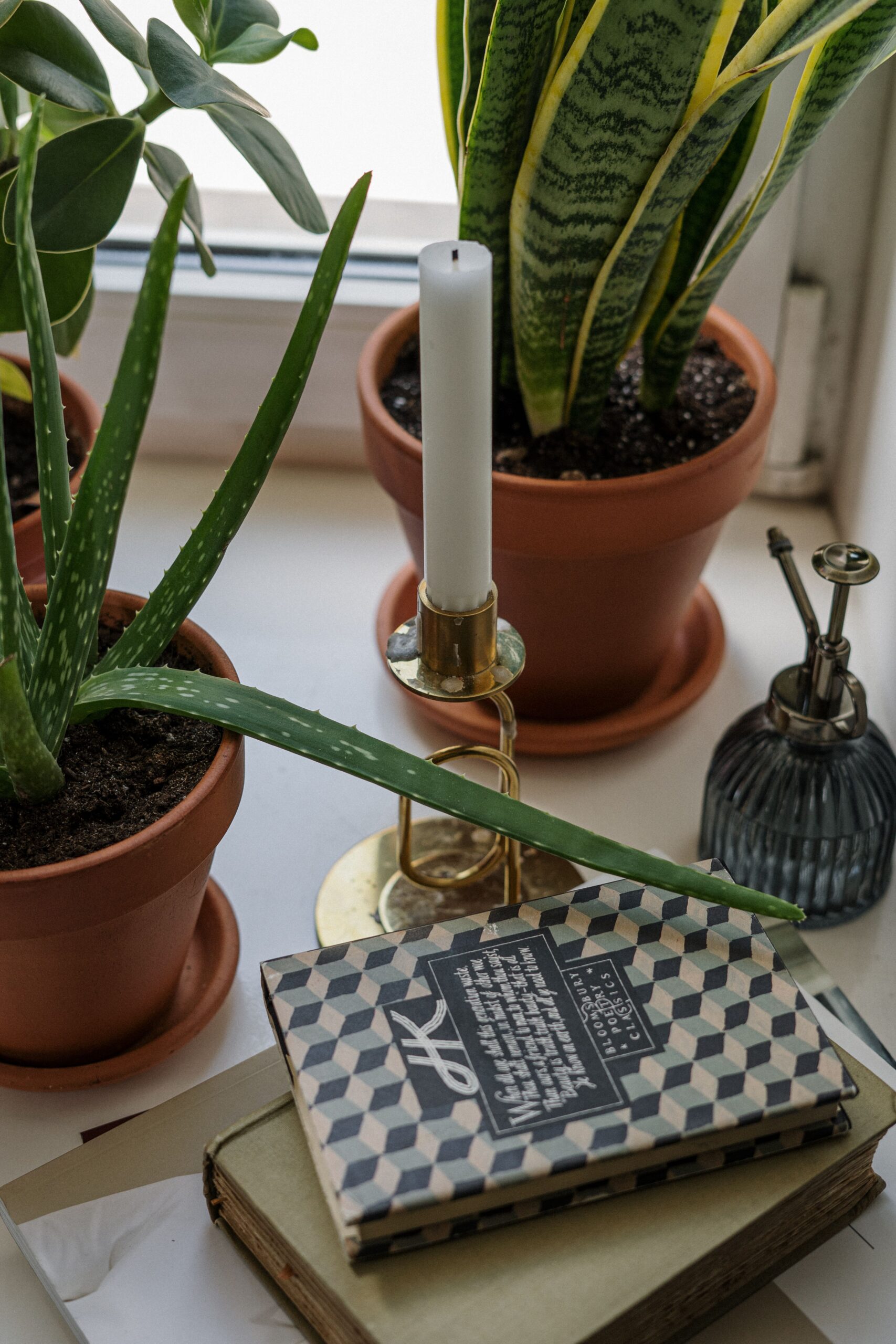
1. Terracotta Pots for Snake Plants
Terracotta pots are one of the best choices for Snake Plants.
Advantages:
- Absorb extra moisture
- Allow better airflow
- Reduce overwatering problems
- Provide natural appearance
Terracotta pots are especially good for beginners because they help soil dry faster.
Disadvantages:
- Dry out quickly
- Can break easily
- May require more frequent watering
Best for: People who often overwater plants.
2. Ceramic Pots for Snake Plants
Ceramic pots are popular because they combine beauty with functionality.
Advantages:
- Stylish designs
- Available in many colors
- Heavy and stable
- Perfect for indoor decoration
A glazed ceramic pot holds moisture longer than terracotta, so drainage holes are essential.
Best locations:
- Living rooms
- Offices
- Bedrooms
3. Plastic Pots for Snake Plants
Plastic pots are affordable and lightweight.
Advantages:
- Budget-friendly
- Easy to move
- Retain moisture
- Available in many sizes
However, plastic pots can hold moisture longer, increasing the risk of overwatering.
Choose plastic pots with:
- Drainage holes
- Good-quality soil
- Proper watering schedule
4. Wooden Planters for Snake Plants
Wooden planters provide a natural and modern look.
Benefits:
- Beautiful appearance
- Good for large Snake Plants
- Works well with home décor
Make sure the wood is treated to prevent water damage.
Best Pot Size for Snake Plants
Choosing the correct pot size is very important.
Snake Plants prefer being slightly root-bound, meaning they do not need extremely large containers.
Small Snake Plant
Recommended pot size:
- 4–6 inches
Suitable for:
- Baby Snake Plants
- Small varieties
- Desk plants
Medium Snake Plant
Recommended pot size:
- 6–10 inches
Suitable for:
- Bedroom plants
- Table plants
- Medium varieties
Large Snake Plant
Recommended pot size:
- 10–14 inches
Suitable for:
- Tall Snake Plants
- Floor plants
Avoid choosing a pot that is too large because extra soil holds more water.
Do Snake Plant Pots Need Drainage Holes?
Yes, drainage holes are extremely important.
Without drainage:
- Water collects at the bottom
- Roots become damaged
- Fungal problems may develop
The best Snake Plant pots should always have:
✔ One or more drainage holes
✔ A saucer underneath
✔ Well-draining soil
Learn about watering:
Internal Link:
https://allsnakeplante.com/how-to-water-snake-plant/
Best Pot Shape for Snake Plants
Tall Pots
Tall pots are good for:
- Large Snake Plants
- Heavy leaves
- Floor decoration
They provide stability and prevent the plant from falling.
Wide Pots
Wide pots are useful because Snake Plants spread through underground rhizomes.
Benefits:
- More space for new growth
- Better stability
- Easier propagation
Best Soil for Snake Plant Pots
A good pot needs good soil.
Snake Plants prefer:
- Cactus soil
- Succulent mix
- Perlite mixture
- Well-draining potting soil
Avoid:
- Heavy garden soil
- Clay soil
- Soil that stays wet
Read more:
Internal Link:
https://allsnakeplante.com/best-soil-for-snake-plants/
Ceramic vs Terracotta Pot: Which Is Better?
| Feature | Ceramic Pot | Terracotta Pot |
|---|---|---|
| Appearance | Excellent | Natural |
| Drainage | Good with holes | Excellent |
| Moisture Control | Holds moisture | Dries faster |
| Beginner Friendly | Good | Excellent |
| Weight | Heavy | Medium |
Winner:
- For decoration: Ceramic
- For beginners: Terracotta
Plastic vs Ceramic Pot: Which Is Better?
| Feature | Plastic | Ceramic |
|---|---|---|
| Price | Cheap | Expensive |
| Weight | Lightweight | Heavy |
| Design | Average | Excellent |
| Moisture Control | Higher | Moderate |
Winner:
Ceramic for beauty, plastic for affordability.
Common Mistakes When Choosing Snake Plant Pots
Choosing an Oversized Pot
A large pot contains extra soil that stays wet longer.
Result:
- Root problems
- Yellow leaves
- Slow growth
Using Pots Without Drainage
This is one of the biggest mistakes.
Always select pots with drainage holes.
Choosing Lightweight Pots for Tall Plants
Large Snake Plants can become unstable.
Use heavier pots like:
- Ceramic
- Terracotta
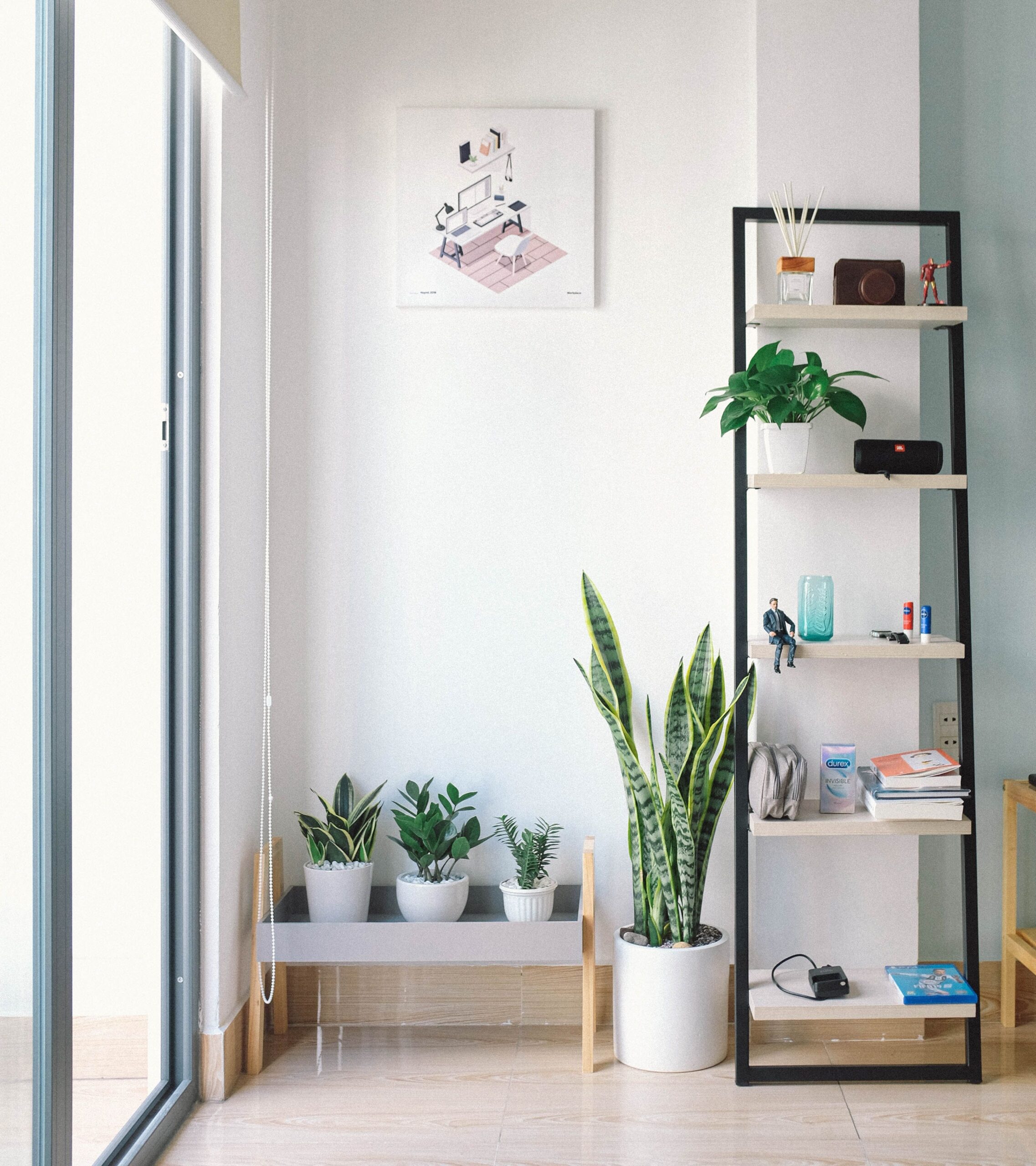
Best Pot Styles for Indoor Decoration
Modern Homes
Best choices:
- White ceramic pots
- Minimalist designs
- Tall planters
Office Spaces
Best choices:
- Black pots
- Simple plastic containers
- Medium-sized planters
Small Apartments
Best choices:
- Compact terracotta pots
- Tabletop planters
How Often Should You Repot a Snake Plant?
Snake Plants usually need repotting every:
2–3 years
Signs your plant needs a new pot:
- Roots coming out of drainage holes
- Pot cracking
- Plant becoming unstable
- Slow growth
Learn more:
Internal Link:
https://allsnakeplante.com/when-to-repot-snake-plant/
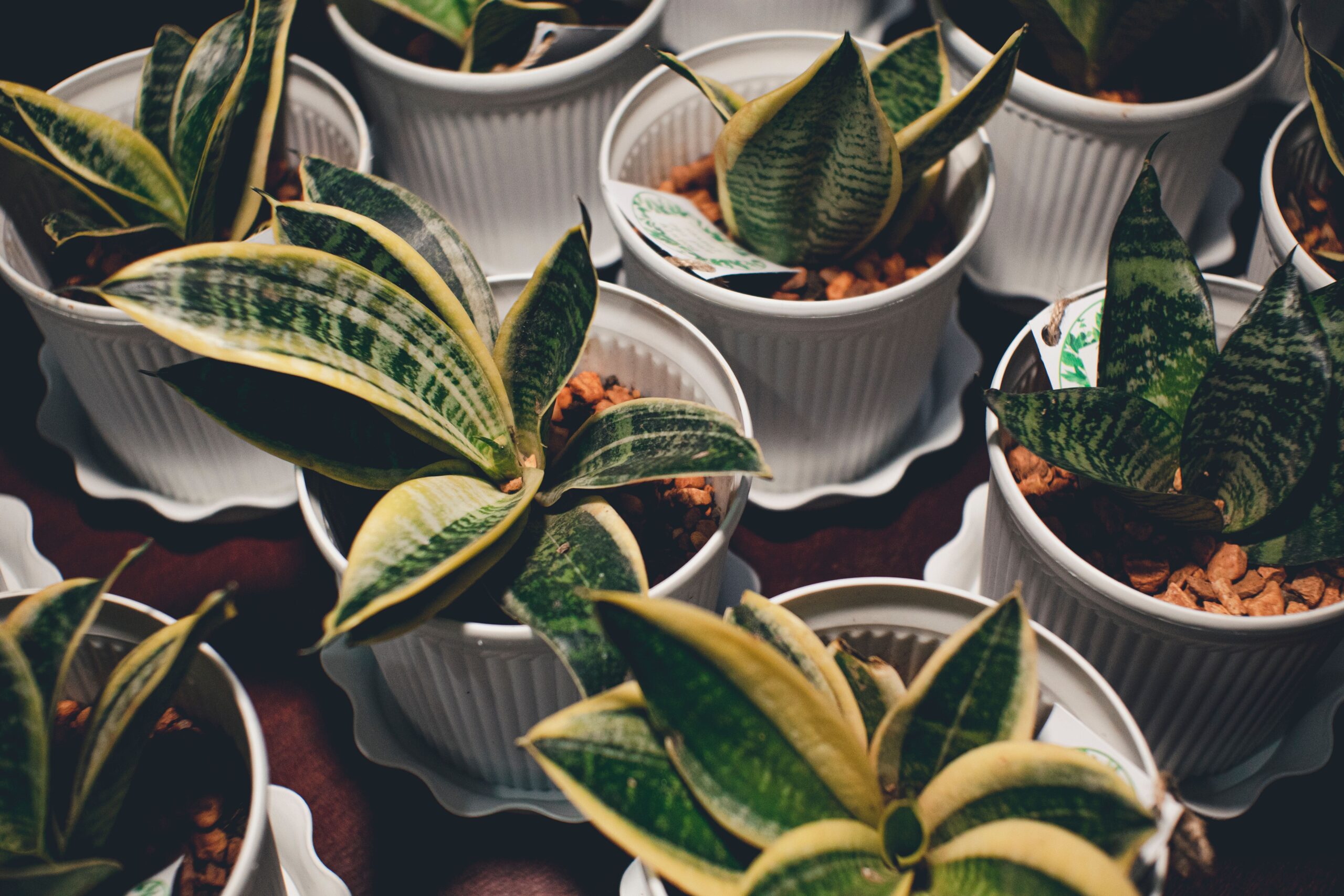
Best Pots for Snake Plant Propagation
When growing new Snake Plants from cuttings or divisions, use:
- Small terracotta pots
- Small plastic nursery pots
- Containers with drainage holes
Avoid large pots for small plants.
External Resources for Snake Plant Care
For additional plant care information:
Frequently Asked Questions
What is the best pot material for Snake Plants?
Terracotta and ceramic pots are among the best choices because they provide stability and proper moisture control.
Can Snake Plants grow in plastic pots?
Yes, plastic pots work well if they have drainage holes.
Should Snake Plant pots be deep or wide?
A slightly wider and stable pot is usually better because Snake Plants spread through rhizomes.
Do Snake Plants like small pots?
Yes, Snake Plants prefer slightly tight containers and do not need oversized pots.
How big should a Snake Plant pot be?
Choose a pot 1–2 inches larger than the current root system.
Final Thoughts
The best pot for a Snake Plant depends on your environment and care habits. For most growers, a terracotta pot with drainage holes is the safest option because it prevents excess moisture and supports healthy roots.
If you want a decorative indoor plant, ceramic pots are an excellent choice. For affordable and lightweight options, plastic pots work well.
Remember that the perfect pot combined with proper soil, light, and watering will help your Snake Plant grow strong and beautiful.
Related Internal Links for Your Website:
- Snake Plant Care Guide
https://allsnakeplante.com/snake-plant-care-guide/ - Snake Plant Watering Guide
https://allsnakeplante.com/how-to-water-snake-plant/ - Snake Plant Root Rot Fix
https://allsnakeplante.com/how-to-fix-snake-plant-root-rot/ - Snake Plant Fertilizer Guide
https://allsnakeplante.com/best-fertilizer-for-snake-plants/