
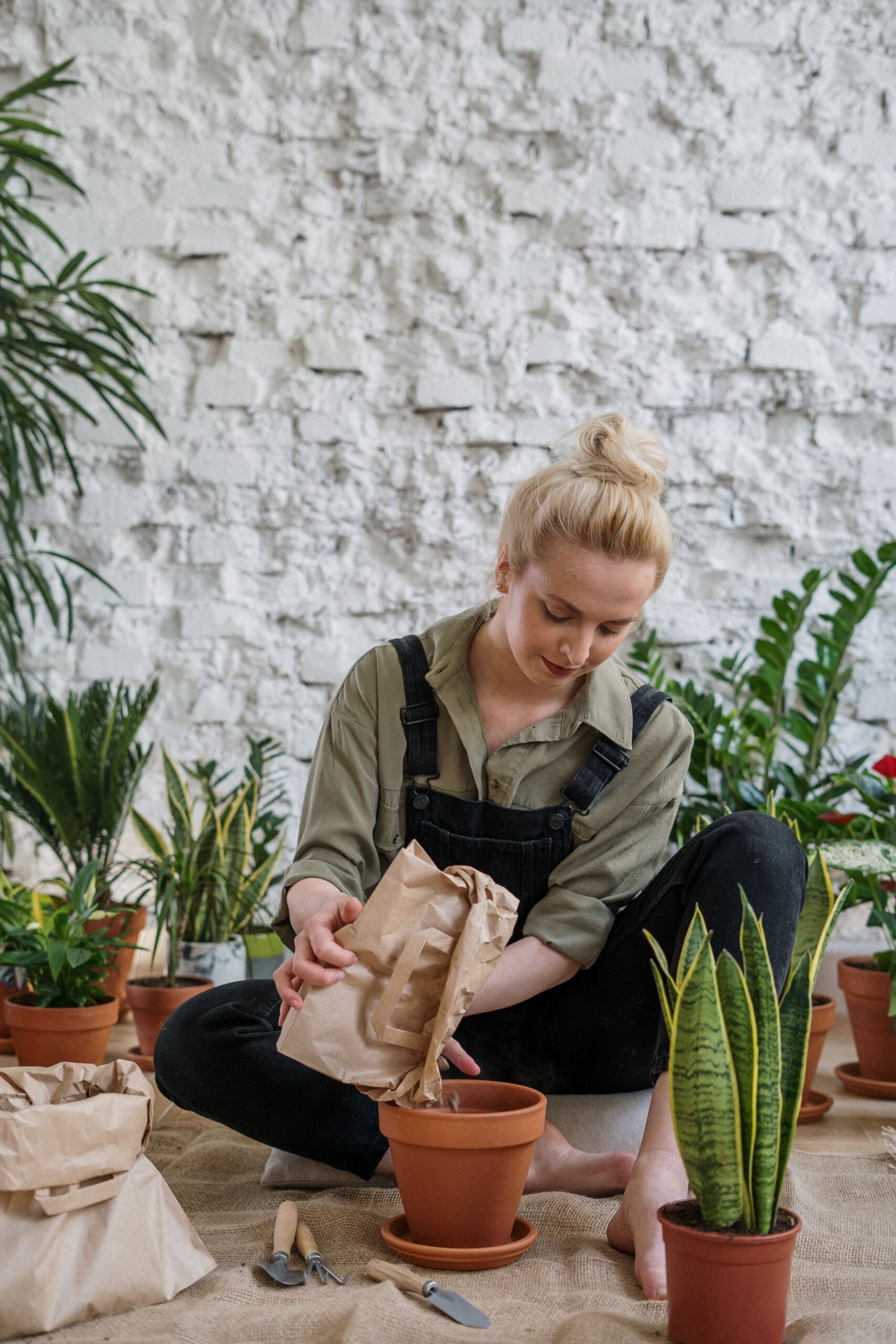
Best Soil Mix for Snake Plants (Complete Guide)
Focus Keyword: Best Soil Mix for Snake Plants
SEO Title: Best Soil Mix for Snake Plants – Complete Guide (2026)
Meta Description: Discover the best soil mix for snake plants, including the ideal ingredients, DIY soil recipe, repotting tips, and common soil mistakes to avoid.
Best Soil Mix for Snake Plants
Choosing the best soil mix for snake plants is one of the most important steps to keeping your plant healthy. While snake plants (Dracaena trifasciata), formerly known as Sansevieria, are known for being low-maintenance, they are highly sensitive to overwatering and poor drainage.
The right soil allows water to drain quickly, prevents root rot, and provides enough airflow for healthy root development. In this guide, you’ll learn the best soil mix, how to make your own, signs of poor soil, and tips for repotting your snake plant.
Why Soil Matters for Snake Plants
Snake plants are native to the dry, rocky regions of West Africa. In their natural habitat, rainwater drains away quickly, and the roots never sit in soggy soil.
Indoor plants need to replicate these conditions.
Good soil helps:
- Prevent root rot
- Improve drainage
- Increase airflow around roots
- Reduce fungal diseases
- Support healthy root growth
- Keep leaves firm and upright
Using heavy garden soil or moisture-retaining mixes can lead to yellow leaves, mushy roots, and poor growth.
What Makes the Best Soil Mix?
A quality snake plant soil mix should have four essential characteristics:
1. Fast Drainage
Water should flow through the soil quickly instead of collecting around the roots.
2. Good Aeration
Loose soil allows oxygen to reach the roots, helping them stay healthy.
3. Moderate Nutrients
Snake plants don’t require rich soil. Too many nutrients can encourage weak, overly soft growth.
4. Slightly Acidic to Neutral pH
The ideal soil pH is 5.5–7.5, which supports nutrient uptake and healthy root development.
Best Ready-Made Soil Mix
The easiest option is to use a cactus or succulent potting mix. These mixes are designed to drain quickly and provide the airy structure that snake plants need.
Look for mixes containing:
- Coarse sand
- Perlite
- Pumice
- Pine bark
- Lightweight organic matter
Avoid mixes labeled as “moisture control” because they retain water for too long.
DIY Snake Plant Soil Mix Recipe
Making your own soil mix is simple and often more cost-effective.
Recommended Recipe
- 2 parts high-quality potting soil
- 1 part perlite
- 1 part coarse sand or pumice
This blend offers an excellent balance of drainage, aeration, and moisture retention.
Alternative Mix
- 2 parts succulent soil
- 1 part orchid bark
- 1 part perlite
This mixture provides even better airflow for mature plants.
Understanding the Soil Ingredients
Potting Soil
A high-quality indoor potting soil forms the base of the mix. It provides nutrients and helps anchor the roots.
Avoid dense garden soil, which compacts easily and restricts drainage.
Perlite
Perlite is a lightweight volcanic mineral that creates air pockets in the soil.
Benefits include:
- Improves drainage
- Prevents soil compaction
- Reduces root rot risk
- Keeps the soil light
Coarse Sand
Coarse horticultural sand increases drainage and helps excess water move through the soil.
Avoid fine beach sand, which compacts and blocks airflow.
Pumice
Pumice is another volcanic material that improves drainage while holding small amounts of moisture.
It is an excellent alternative to perlite and is often more durable over time.
Orchid Bark
Orchid bark creates larger air spaces around the roots and works especially well for mature snake plants.
It also slows soil compaction.
Soil Ingredients to Avoid
Some materials hold too much moisture or restrict airflow.
Avoid:
- Heavy clay soil
- Dense garden soil
- Fine beach sand
- Moisture-retaining potting mixes
- Large amounts of peat moss
- Soil without drainage amendments
Using these materials increases the risk of root rot.
Best Pot for Your Soil Mix
Even the best soil won’t help if the pot doesn’t drain properly.
Choose:
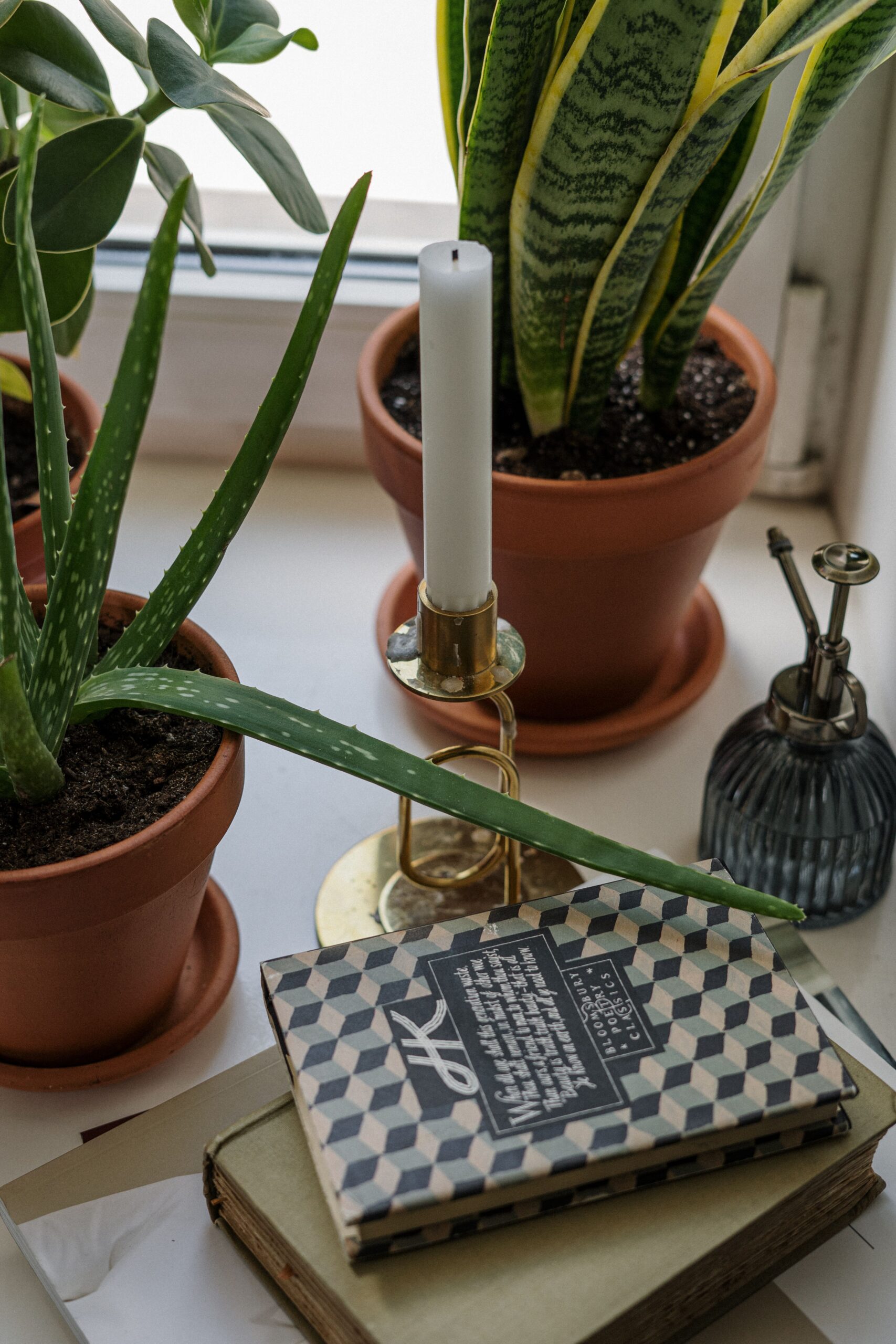
- Terracotta pots
- Clay pots
- Ceramic pots with drainage holes
Terracotta is especially recommended because it absorbs excess moisture from the soil.
Avoid decorative containers without drainage holes unless you use them as outer cachepots.
When Should You Replace the Soil?
Over time, soil breaks down and becomes compacted.
Replace the soil:
- Every 2–3 years
- When repotting
- If the soil smells bad
- If drainage becomes poor
- After treating root rot
Fresh soil improves airflow and replenishes nutrients.
Signs Your Soil Isn’t Suitable
Your snake plant may show these warning signs:
- Yellow leaves
- Soft or mushy roots
- Water sitting on the surface
- Slow drainage
- White mold on the soil
- Fungus gnats
- Persistent wet soil
If you notice these issues, repot the plant into a fresh, well-draining mix.
Repotting with Fresh Soil
Follow these simple steps:
- Remove the plant from its old pot.
- Shake off loose soil.
- Trim damaged or rotten roots.
- Fill the new pot with fresh soil mix.
- Position the plant at the same depth.
- Fill around the roots without pressing too firmly.
- Wait 3–5 days before watering.
This allows any damaged roots to heal and reduces the chance of infection.
Common Soil Mistakes
Many beginners unintentionally use the wrong soil.
Avoid these mistakes:
- Using garden soil indoors
- Packing the soil too tightly
- Choosing pots without drainage holes
- Watering immediately after repotting
- Reusing old, compacted soil
- Adding too much fertilizer
Healthy roots need space, oxygen, and fast-draining soil.
Frequently Asked Questions
Can I use regular potting soil?
Yes, but it should be amended with perlite, coarse sand, or pumice to improve drainage.
Is cactus soil good for snake plants?
Yes. Cactus and succulent soil is one of the best ready-made options because it drains quickly.
Do snake plants like moist soil?
No. They prefer the soil to dry completely between waterings.
Can I use orchid mix?
Orchid bark can be mixed with potting soil and perlite to improve aeration, but it should not be used alone.
How often should I replace the soil?
Every 2–3 years or whenever the soil becomes compacted or drains poorly.
Final Thoughts
Using the best soil mix for snake plants is one of the easiest ways to ensure long-term success. A fast-draining blend of potting soil, perlite, and coarse sand or pumice creates the ideal environment for healthy roots and steady growth.
Combine the right soil with proper watering, bright indirect light, and a pot with drainage holes, and your snake plant will reward you with years of healthy growth.
Internal Links
- https://allsnakeplante.com/complete-snake-plant-care-guide-for-beginners/
- https://allsnakeplante.com/how-often-to-water-a-snake-plant/
- https://allsnakeplante.com/snake-plant-propagation/
- https://allsnakeplante.com/common-snake-plant-problems/
External Resources
SEO Meta Title
Best Soil Mix for Snake Plants (2026 Complete Guide)
SEO Meta Description
Learn the best soil mix for snake plants, including DIY recipes, ideal ingredients, repotting tips, and common soil mistakes to help your plant thrive.
Suggested URL Slug
Suggested Image ALT Texts
- Best Soil Mix for Snake Plants
- DIY Snake Plant Soil Recipe
- Perlite and Potting Soil for Snake Plants
- Repotting a Snake Plant with Fresh Soil
- Well-Draining Soil Mix for Indoor Snake Plants
SEO Keywords
- Best Soil Mix for Snake Plants
- Snake Plant Soil
- DIY Snake Plant Soil Mix
- Best Potting Mix for Snake Plant
- Well-Draining Soil for Snake Plants
- Snake Plant Repotting
- Indoor Plant Soil Guide
- Cactus Soil for Snake Plants
2 Comments on “Best Soil Mix for Snake Plants”