Snake Plant Light Requirements Explained (Complete Guide)
Focus Keyword: Snake Plant Light Requirements Explained
SEO Title: Snake Plant Light Requirements Explained – Best Lighting Guide (2026)
Meta Description: Learn the ideal light requirements for snake plants, including low light, bright indirect light, direct sunlight, and tips to keep your snake plant healthy indoors.
Snake Plant Light Requirements Explained
Snake plants (Dracaena trifasciata), formerly known as Sansevieria, are among the most adaptable indoor plants. One of the reasons they are so popular is their ability to tolerate a wide range of lighting conditions. However, while snake plants can survive in low light, they thrive best when given the right amount of light.
Understanding the light requirements for snake plants will help you encourage faster growth, healthier leaves, and vibrant colors. In this complete guide, you’ll learn the best lighting conditions, where to place your snake plant, common lighting mistakes, and how to identify signs of too much or too little light.
Do Snake Plants Need Sunlight?
Yes, snake plants need light to grow, but they do not require constant direct sunlight.
The ideal condition is bright, indirect light. This provides enough energy for healthy growth without exposing the leaves to harsh sunlight that can cause damage.
Unlike many tropical houseplants, snake plants are highly adaptable and can tolerate lower light levels. However, brighter conditions usually result in stronger growth and more vibrant foliage.
Best Light for Snake Plants
1. Bright Indirect Light (Best Choice)
Bright indirect light is the ideal environment for snake plants.
Examples include:
- Near an east-facing window
- A few feet from a south-facing window
- Behind sheer curtains
- Bright living rooms with filtered sunlight
Benefits include:
- Faster growth
- Healthier leaves
- Richer green color
- Better root development
- Increased production of new leaves
Most indoor snake plants perform best with 6–8 hours of bright, indirect light each day.
2. Low Light
Snake plants are famous for surviving in low-light conditions.
Examples include:
- Hallways
- Offices
- Bedrooms
- Rooms with small windows
Although they survive well, low light has some disadvantages.
Growth becomes slower, and the plant may produce fewer new leaves.
If possible, move the plant to a brighter location for a few days each month to encourage stronger growth.
3. Direct Sunlight
Snake plants can tolerate gentle morning sun but may struggle with strong afternoon sunlight.
Too much direct sun can cause:
- Brown patches
- Scorched leaves
- Yellowing
- Dry leaf tips
Outdoor snake plants should be introduced gradually to brighter light to prevent sunburn.
Best Window Direction
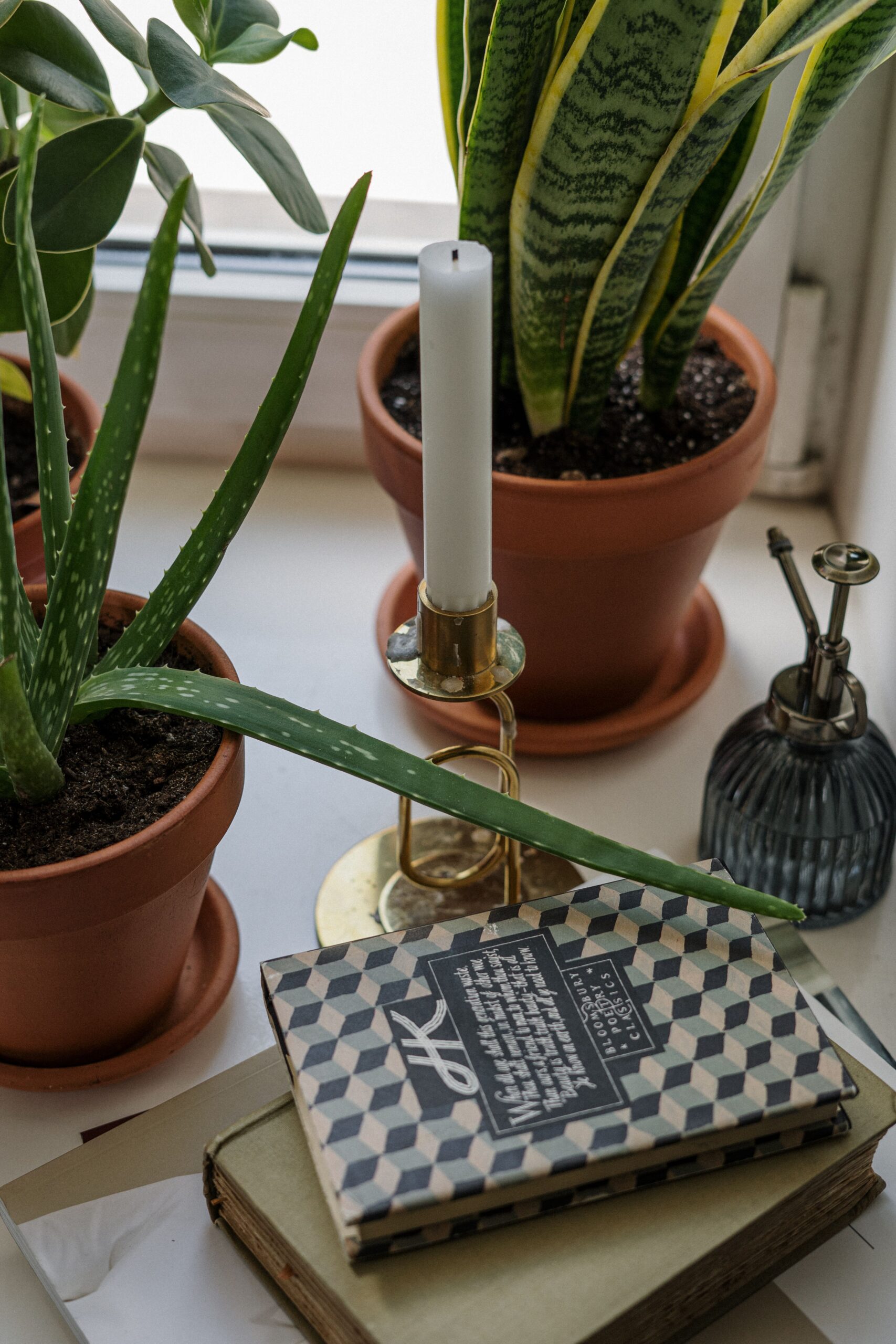
Different window directions provide different amounts of light.
East-Facing Windows
Ideal for snake plants.
Morning sunlight is gentle and supports healthy growth.
North-Facing Windows
Good for maintaining healthy plants but growth may be slower.
South-Facing Windows
Excellent if the light is filtered through sheer curtains.
West-Facing Windows
Can work well, but intense afternoon sunlight may require moving the plant farther from the window.
Can Snake Plants Live Without Sunlight?
Snake plants cannot live without light.
They can survive in low-light conditions for long periods, but complete darkness will eventually weaken and kill the plant.
Even in offices or rooms without windows, occasional exposure to natural light helps maintain healthy growth.
Signs Your Snake Plant Needs More Light
Your plant will often show clear signs when it isn’t receiving enough light.
Look for:
- Slow growth
- Smaller new leaves
- Leaning toward the light source
- Pale green leaves
- Wide spacing between leaves
If you notice these symptoms, move the plant closer to a bright window without placing it in harsh afternoon sun.
Signs Your Snake Plant Is Getting Too Much Light
Excessive direct sunlight can damage the leaves.
Watch for:
- Brown spots
- Crispy leaf edges
- Bleached or faded leaves
- Yellow patches
- Dry, curled leaf tips
Move the plant to filtered light if these symptoms appear.
Artificial Light for Snake Plants
If your home doesn’t receive enough natural light, artificial grow lights are an excellent alternative.
Choose:
- LED grow lights
- Full-spectrum plant lights
- White LED bulbs designed for indoor plants
Keep the light:
- 12–18 inches above the plant
- On for 10–12 hours per day
Artificial lighting is especially useful during winter or in windowless offices.
Seasonal Lighting Tips
Spring
Move the plant closer to a bright window to encourage new growth.
Summer
Protect it from intense afternoon sunlight with sheer curtains.
Autumn
Maintain bright, indirect light while reducing watering.
Winter
Place the plant in the brightest available location since daylight hours are shorter.
Rotating Your Snake Plant
Plants naturally grow toward the strongest light source.
Rotate your snake plant every 2–4 weeks to ensure even growth and prevent leaning.
Best Indoor Locations
Ideal places include:
- Living rooms
- Bedrooms
- Home offices
- Hallways with natural light
- Entryways
- Bright bathrooms with windows
Avoid placing the plant in dark corners where it receives almost no light.
Common Lighting Mistakes
Avoid these beginner mistakes:
- Keeping the plant in complete darkness
- Exposing it to harsh afternoon sun
- Moving it frequently between different light levels
- Forgetting to rotate the pot
- Assuming low light means no light
Consistency is key to healthy growth.
Frequently Asked Questions
Can snake plants grow in low light?
Yes. They tolerate low light very well, but they grow faster in bright, indirect light.
Can snake plants live in direct sunlight?
Morning sun is generally safe, but prolonged afternoon sunlight may burn the leaves.
How many hours of light do snake plants need?
Around 6–8 hours of bright, indirect light each day is ideal.
Can I keep a snake plant in a windowless room?
It may survive for a while under artificial lighting, but complete darkness is not suitable.
Are grow lights good for snake plants?
Yes. Full-spectrum LED grow lights are an excellent alternative when natural light is limited.
Final Thoughts
Understanding snake plant light requirements is essential for keeping your plant healthy and thriving. While snake plants are incredibly forgiving, they perform best in bright, indirect light with occasional gentle morning sun.
Avoid harsh afternoon sunlight, provide consistent lighting, and rotate the plant regularly for balanced growth. Combined with proper watering and well-draining soil, the right lighting conditions will help your snake plant stay vibrant for years.
Internal Links
- https://allsnakeplante.com/complete-snake-plant-care-guide-for-beginners/
- https://allsnakeplante.com/how-often-to-water-a-snake-plant/
- https://allsnakeplante.com/best-soil-mix-for-snake-plants/
- https://allsnakeplante.com/snake-plant-propagation/
- https://allsnakeplante.com/common-snake-plant-problems/
External Resources
SEO Meta Title
Snake Plant Light Requirements Explained (2026 Complete Guide)
SEO Meta Description
Discover the best light conditions for snake plants, including bright indirect light, low-light care, artificial lighting, and common lighting mistakes to avoid.
Suggested URL Slug
Suggested Image ALT Texts
- Snake Plant in Bright Indirect Light
- Best Window for Snake Plants
- Snake Plant Near East-Facing Window
- Healthy Indoor Snake Plant
- Snake Plant Under LED Grow Light
- Light Requirements for Snake Plants
- Snake Plant Receiving Filtered Sunlight
- Indoor Snake Plant Care Guide
SEO Keywords
- Snake Plant Light Requirements
- Best Light for Snake Plants
- Snake Plant Sunlight Needs
- Bright Indirect Light for Snake Plant
- Indoor Snake Plant Care
- Snake Plant Low Light
- Snake Plant Grow Lights
- How Much Light Does a Snake Plant Need
- Snake Plant Window Placement
- Houseplant Lighting Guide